

The short list of what to bring on a charter fishing trip: sun protection, polarized sunglasses, a hat, seasick meds, plenty of water, snacks for the whole boat, a cooler for your catch, and cash for tips. That covers most people. But the stuff nobody tells you is where this list earns its keep, so keep reading.
I’ve been on enough of these boats to learn the hard way. This is everything I pack now, why each thing matters, and the small extras that turn a rough day into a great one.
The Charter Fishing List
The free, printable charter fishing packing list you can actually use right here. Check off what you've got, add what's yours, flip on "deep sea" if you're heading offshore, then print it or save the PDF.
What Should You Bring On A Charter Fishing Boat?
Here’s the full packing list, grouped so it’s easy to scan and easy to throw in a bag the night before.
Sun and skin
- Long-sleeve sun shirt (this is your best sunburn defense)
- Sun hat
- Polarized sunglasses (cuts glare and lets you actually see fish)
- A neck strap for your sunglasses, so they don’t go overboard when you take them off
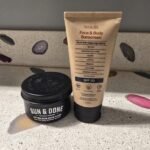
- Reef-safe sunscreen
- After-sun lotion for the ride home
- Chapstick
- A buff or neck gaiter (covers the back of your neck better than sunscreen alone)
Fish handling
- One cooler for your fish
- A separate cooler for your food
- Ziplock bags (some boats give you these, some don’t, so check)
- Unscented trash bags
- A fish counter
- A fish scale, if you want to weigh your catch or just hold it up without touching it
- A pen and paper to track who caught the biggest fish
Here’s my favorite cheap trick: put your fish in a ziplock, put the ziplock inside an unscented trash bag, then put that in the cooler. If anything got on the outside of the ziplock, the trash bag catches it. One extra step. You will not regret it.
Food and drinks
- Prepacked muffins
- Small bags of chips
- Caramel popcorn
- Granola bars (some with chocolate)
- Sandwiches
- Drinks (bring cans, since a lot of boats don’t allow glass)
- Gum and hard candies
Pack enough for everyone, including the captain and the first mate. It’s a kind thing to do and it goes a long way.
Comfort and safety
- Fishing pole end pad, so the pole doesn’t get shoved into your gut when you reel
- Non-marking, closed-toe shoes (many captains won’t let you board in flip-flops or black-soled shoes)
- A light rain jacket or windbreaker
- A towel and a change of clothes left in the car for the ride home
- Hand wipes
- A dry bag
- A koozie
- A bag to hold all your stuff
- Hair ties, if anyone has long hair
- A portable charger
- A GoPro with a floating strap, so it doesn’t sink the first time it slips
- Handheld bug vacuum, for mayflies
The sickness kit
- Seasick pills or Dramamine
- Ginger chews or Sea-Bands as a backup
- Pepto-Bismol – it’s an anti-diarrheal that can stop an emergency number two.
- Take your seasick meds the morning of. Not when you already feel green. By then it’s too late.
Money
- Cash for tips (more on that below)
- Separate cash for parking or the bait shop
What Should You Wear On A Charter Fishing Trip?
Dress in layers. Almost every charter leaves early in the morning, so it starts cool and gets hot fast. You want a long-sleeve sun shirt as your base, something warm over it for the chilly start, and the freedom to peel down as the sun climbs. Closed-toe non-marking shoes keep you safe on a wet, moving deck. Skip anything you’d be sad to get fish slime on.
What Extra Do You Need For Half-Day, Full-Day, And Deep Sea Trips?
The base list covers everyone. Longer and farther trips need a few extras. Here’s what to add:
| Trip type | What to add |
|---|---|
| Half day | Light load. One round of water and snacks is plenty. |
| Full day | More water than you think, extra food, extra sunscreen, layers. |
| Deep sea / offshore | A pee funnel, extra seasick meds, layers, and a dry bag. You’re hours from shore. |
| Shark fishing | Heavier setup. Ask your captain what they provide vs. what you bring. |
A quick word on the pee funnel for deep sea trips. The bathroom on a boat is a rocking little closet you have to climb down into, and you’ll be out there for hours. Bring the funnel. Use it or don’t. I’m guessing you won’t be mad you had it, and you’ll probably use it. Unless you’ve got more skill than me.
How Much Do You Tip A Charter Captain And First Mate?
The standard tip is 15 to 20 percent of the trip price. Who it goes to depends on the crew. If the captain runs the trip solo, you tip the captain. If there’s a first mate, the tip goes to the mate, not the captain. Some booking sites spell this out, so check when you book. Either way, bring enough cash for both so you’re not caught off guard if the crew surprises you. In real numbers: on a $600 trip, a normal tip runs $90 to $120. On a $1,000 trip, it’s $150 to $200.
The first mate does the hard, hands-on work, rigging rods, baiting hooks, untangling lines, and cleaning your catch. On a lot of boats, tips are a big part of how the mate gets paid, so tip the mate well. Bring cash, because you tip at the dock and there’s no ATM on the water. And tip for the whole experience, not just how many fish ended up in the cooler.
Should You Pay The Charter In Cash?
Yes, if you can, pay for the trip itself in cash too. When you pay by card, the captain eats the processing fees. Checks can cost them as well, since some banks charge once a business cashes more than a set number of them. Cash skips all of that and goes straight into their hands. Cash is always king on the water.
Is There A Bathroom On A Charter Boat?
Mostly yes, but check the boat you’re booking. Here’s the honest truth: that bathroom is for number one or an emergency number two. Nobody wants to be the person who needs the second one, so don’t put yourself there. That’s exactly why Pepto-Bismol earns a spot in your bag.
Pepto isn’t just a “maybe it helps” thing. It works. The active ingredient, bismuth subsalicylate, coats and calms an upset stomach and slows things down in your gut. Here’s the part that matters most on a boat: it’s an anti-diarrheal, so it can actually stop an emergency number two before it turns into one. That alone can take you from “I am about to have the worst day of my life” back to “okay, I can keep fishing.” That’s not a small thing when you’re hours from a real toilet.
Two more bathroom truths. First, climbing down below deck to use the head is a classic way to get seasick, because you lose your view of the horizon. Take your seasick meds early so you’re covered. Second, a lot of people get “land sickness” after the trip, that weird feeling that you’re still rocking once you’re back on solid ground. It’s real, it can make you queasy, and you can take Dramamine again to settle it.
What To Expect On Your First Charter Fishing Trip
If you’ve never done this before, here’s what a charter day actually looks like. You show up about 15 minutes early with all your gear, but leave the cooler for your fish in the car for now, you’ll come back to it after. Then you take a ride out to the fishing spot. It’s fast, windy, bumpy, and honestly a lot of fun.
Take your seasick meds before you board, even if you don’t normally get sick. I do this every single time. I’m not used to big boats, I get car sick, and I get that rocking feeling when I step back on land, so I have good reason to cover myself. I would hate to cut a trip short over my stomach, and you would too.
Once you’re out there, the captain and the mate do the technical work. They rig the poles and put the lines in the water while you hang out with your people. When a fish bites, they grab the pole and hand it to you. You reel it in. They take the fish off, ask if you want to keep it, then reset the lines and drop them back in. You never have to touch bait or a fish if you don’t want to. And at the end of the trip, the mate will usually clean and bag your catch for you, too.
Here’s the part that surprises people most, so I want you to hear it before you go. A charter is not like regular fishing. You don’t drop your own line, feel for the bite, and work the fish in yourself from start to finish. The crew sets everything up and hands you the rod when it’s go time. A lot of people, even people who love to fish, picture casting their own line all day and feel let down when that’s not how it works. It is a wonderful day on the water. It’s just a different kind of fishing. Know that going in and you’ll love every minute.
Good To Know Before You Book
- Check if your fishing license is included. Most charters cover it for the day, but not all. One question saves you a fine.
- Know the weather and cancellation policy before you pay.
- Think about staying overnight nearby. After a full day of fishing, the last thing you want is a long drive home. I almost always choose to drive, and even I say no to driving after a full day on the water. Book a room close by and enjoy the win.
- Look for a cook-your-catch spot. Many charter towns have restaurants that’ll cook what you caught that same day. It’s one of the best meals you’ll ever have.
- Mayfly warning for the Great Lakes. If you’re fishing Michigan or anywhere on the Great Lakes in late May or June, the mayfly hatches can be biblical. Bring a small battery-powered fan, or better yet a little handheld bug vacuum, and you’ll be the hero of the boat. If you know, you know.
FAQ
Most charter boats do have a bathroom, but always check the specific boat. It’s best used for number one or a true emergency. Pack Pepto-Bismol just in case, since it’s an anti-diarrheal that can stop an emergency number two before it starts and save your whole day on the water.
The standard is 15 to 20 percent of the trip price. If there’s a first mate, the tip goes to the mate; if the captain runs it solo, you tip the captain. On a $600 trip that’s about $90 to $120. Bring enough cash for both just in case, because you tip at the dock.
Dress in layers. Boats leave early and warm up fast, so start with a long-sleeve sun shirt, add a warm layer for the cool morning, and wear closed-toe, non-marking shoes for the wet deck.
Usually not. Most charters include the fishing license in the price for the day. But not every one does, so confirm with your captain before the trip so you’re not caught off guard.
Skip glass bottles, since many boats only allow cans. Leave black-soled or open-toed shoes at home. And a lot of captains consider bananas bad luck on a boat, so maybe leave those behind too.
Hi, I’m Alice. I’ve run Road Trip Owl for five years and take 6+ trips a year, and yes, that includes plenty of time on charter boats. This list comes from real trips, including the ones where I forgot something and paid for it. The mayfly fan? Learned that one the hard way in Michigan. No fluff, no copied checklist, just what actually works out on the water.