

28 Things to Do in Winter (If You’re Tired of Staying Inside)

Winter is way more doable than people give it credit for.
Throw on an extra layer and suddenly you’ve got access to experiences that don’t exist any other time of year – ice caves, dog sledding, frozen waterfalls, igloos you can eat dinner in. This stuff only happens when it’s cold.
We put together 28 ideas to get you outside this winter. They’re in no particular order because we didn’t want you skipping to a section and missing something good. Scroll the whole list. You’ll find something.
1. Snowshoeing
If you can walk, you can snowshoe. That’s it. No lessons, no steep learning curve, no expensive lift tickets. Strap them on and go. Most state parks and ski resorts rent snowshoes for around $15-25 if you don’t want to buy a pair, and plenty of trails are marked specifically for snowshoeing so you’re not guessing where to go.
Snowshoeing What to bring: Waterproof boots, warm layers you can peel off (you’ll heat up fast), a backpack with water bottle and an emergency snack – you burn more energy than you’d expect and beef jerky or a granola bar can save you. Foldable trekking poles are great because sometimes you need them, sometimes you don’t, and they stash in your bag when they’re in the way. If you get hooked, a beginner pair of snowshoes is a solid investment.
Good for: Families, teens, solo, date night, first-timers, friend groups
Bucket list: Yosemite National Park in California. When the crowds disappear in winter, the snow-covered valley is completely different – quiet, empty, and stunning. The loop from Badger Pass to Dewey Point gives you views of El Capitan that most people never get to see.
Midwest option: Porcupine Mountains Wilderness State Park in Michigan’s Upper Peninsula. It’s one of the snowiest places in the Midwest and the old-growth forest covered in fresh powder feels like you walked into Narnia. But honestly? Any trail near your house works too. Local parks, nature preserves, even golf courses in the off-season. You don’t even need a path – some of the best trips are just picking a direction and going. And if you’re worried about getting lost, just follow your tracks back out.
2. Ice Caves
These aren’t caves you need spelunking gear for. In winter, water seeps through cliffs and freezes into massive walls of ice – blue, white, sometimes stained orange from minerals. You walk right up to them, sometimes behind them, surrounded by frozen waterfalls and icicles the size of your arm.
Ice Caves What to bring: Waterproof boots with good grip, microspikes or traction cleats (icy trails are no joke), warm layers, and hand warmers. Bring a backpack with water bottle and a snack – hiking on ice burns more energy than regular trails and you don’t want to rush out because you’re hungry. Trekking poles help with balance on uneven ice. Some caves are a short walk from the parking lot, others require a real hike – check conditions before you go. A headlamp helps if you’re exploring deeper caves.
Good for: Families, teens, solo, date night, friend groups, first-timers
Bucket list: Apostle Islands National Lakeshore in Wisconsin. When Lake Superior freezes solid enough (which doesn’t happen every year), you can walk across the ice to explore sea caves transformed into frozen cathedrals. Check conditions before you go – the National Park Service posts updates.
Midwest option: Eben Ice Caves near Marquette, Michigan. Less than a mile hike through a farmer’s field and into the woods, then you’re standing inside walls of ice. Bring ice cleats – trust me, half the people there wish they had them.
3. Christmas Lights
You know this one exists, but have you actually made it an event? Not just driving past some decorated houses, but planning a trip around lights – hot chocolate in hand, maybe dinner before or after, the whole experience.
Christmas Lights What to bring: A good thermos filled with hot cocoa, a cozy blanket if you’re doing a drive-through display, and hand warmers for walking tours.
Good for: Families, teens, solo, date night, friend groups, first-timers
Bucket list: Dyker Heights in Brooklyn, New York. This neighborhood has been going absurdly hard since the 1940s. We’re talking professional-grade displays on regular houses, synchronized lights, massive inflatables, the works. People fly in just to walk these blocks.
Midwest option: Bronner’s Christmas Wonderland in Frankenmuth, Michigan. The world’s largest Christmas store puts up over 100,000 lights on their grounds. Combine it with a chicken dinner in town and you’ve got a full winter day trip.
4. Dog Sledding
You don’t need to be a professional musher or travel to Alaska. Outfitters across snowy states offer guided tours where they handle everything – you show up, they give you warm gear, introduce you to the dogs, and either ride in the sled or learn to drive it yourself. Most tours run 1-2 hours and start around $100 per person.
Dog Sledding What to wear: Warm layers, insulated boots, goggles or sunglasses, and a balaclava or face covering. Most outfitters provide the heavy gear, but you’ll want your own base layers.
Good for: Families, teens, date night, thrill seekers, first-timers
Bucket list: Juneau, Alaska. Take a helicopter to a glacier, then dog sled across actual ice fields with views that don’t look real. It’s expensive but it’s the kind of thing you talk about forever.
Midwest option: Nature’s Kennel in McMillan, Michigan (Upper Peninsula). Run by actual Iditarod racers, they offer everything from 30-minute rides to overnight wilderness trips. One of the best values in the country.
5. Cozy Cabin Getaway (Fireplace + Hot Tub)
This isn’t just “renting a cabin.” It’s specifically booking one with a fireplace and an outdoor hot tub, then using both on the same night. There’s something about sitting in hot water while snow falls around you that resets your brain. Most cabin rental sites let you filter for these amenities.
Cozy Cabin What to bring: Board games, a good book, a luxury robe, slippers, and groceries for a big breakfast. That’s it – the point is to do very little.
Good for: Date night, families, friend groups, teens, All ages
Bucket list: Big Sky, Montana. Rent a cabin with mountain views, ski all day, then soak in a hot tub while staring at stars you can’t see anywhere near a city.
Midwest option: Hocking Hills, Ohio or the Upper Peninsula of Michigan. Both have cabin rentals with hot tubs at prices that won’t destroy your budget. Hocking Hills adds frozen waterfalls as a bonus.
6. Curling Lessons
Yes, that sport from the Olympics where people yell and sweep ice. It’s way more fun than it looks, easy to learn, and most curling clubs offer beginner sessions where they teach you everything. No experience needed, no equipment to buy – they provide the shoes, stones, and instruction.
Curling Lessons What to wear: Loose, stretchy pants you can lunge in, warm layers (ice rinks are cold), and clean-soled shoes – most clubs provide sliders and brooms.
Good for: Date night, teens, friend groups, first-timers
Bucket list: The Potomac Curling Club in Washington D.C. or any of the clubs that have hosted Olympic trials. The sport has a surprisingly welcoming community.
Midwest option: Minnesota and Wisconsin are curling country. The St. Paul Curling Club is one of the largest in the U.S. and regularly hosts “learn to curl” nights that are perfect for beginners.
7. Sledding/Tubing
You probably did this as a kid, but when’s the last time you actually went? Local hills are still fun, and tubing parks at ski resorts take it up a notch with lanes, lifts to carry you back up, and way more speed than you remember.
Sledding/Tubing What to wear: Snow pants, waterproof gloves, warm boots, and layers. If you’re bringing your own sled, a classic wooden toboggan or saucer both work great.
Good for: Families, teens, all ages, friend groups, date night
Bucket list: Camelback Mountain in Pennsylvania claims to be the biggest snow tubing park in the country – 42 lanes and magic carpet lifts so you’re not hiking back up.
Midwest option: Most Michigan ski resorts have tubing hills. Mt. Brighton, Timber Ridge, and Boyne all offer tubing without needing to know how to ski. Much cheaper than a lift ticket.
8. Igloo Dining
Remember when restaurants put up those heated dome things during COVID? They stuck around, and now they’re a whole experience. Private heated igloos, string lights, sometimes themed decorations – you get your own little bubble with a view while someone brings you food and drinks.
Igloo Dining What to bring: A reservation and your appetite. Most igloos are heated – you’ll probably end up taking your coat off. This one’s less about gear and more about treating yourself to a memorable meal.
Good for: Date night, families, special occasions, teens, friend groups
Bucket list: The Erlowest in Lake George, New York. Heated igloos overlooking the frozen lake at a historic inn. It’s the kind of place that makes winter feel fancy.
Midwest option: They’re everywhere now. Minneapolis, Cleveland, Chicago suburbs – search “igloo dining near me” and you’ll probably find something within an hour. Most require reservations and have a minimum spend.
9. Cross-Country Skiing
Totally different vibe from downhill. No chairlifts, no speed, no real risk of breaking yourself. Just you gliding through quiet snowy trails at your own pace. Most state parks and Nordic centers rent equipment and have groomed trails. It’s one of the best workouts you’ll get all winter.
Cross-Country Skiing What to wear: Moisture-wicking base layers, a light insulated jacket (you’ll warm up fast), and gloves. Rentals cover skis, poles, and boots at most trails.
Good for: Families, solo, date night, teens, friend groups, first-timers
Bucket list: Royal Gorge in California – the largest cross-country ski resort in North America with over 140 kilometers (almost 90 miles) of trails and views of the Sierra Nevada.
Midwest option: The Boundary Waters area in Minnesota, particularly the Gunflint Trail region, has some of the best Nordic trails in the country. Most state parks in snowy states have groomed cross-country trails and rental shops nearby – it’s one of the most accessible winter activities out there.
10. Ice Skating
Not the cramped indoor rink from your childhood – the outdoor, scenic, “this feels like a movie” kind. Cities all over the country set up outdoor rinks in winter, many with skyline views, holiday lights, and hot chocolate nearby. Most rent skates on-site. Some are even free if you bring your own.
Ice Skating What to bring: Warm socks (not too thick or your skates won’t fit right), gloves, and layers you can move in. Most rinks rent skates on-site.
Good for: Date night, families, teens, all ages, first-timers
Bucket list: Rockefeller Center in New York City. Yes, it’s crowded and touristy, but skating under that tree with the city lit up around you is genuinely magical. Go early (they open at 9am) to beat the crowds.
Midwest option: Millennium Park in Chicago. Free skating right next to the Bean with the skyline behind you. They rent skates on-site and even offer free lessons on Saturdays.
11. Northern Lights Viewing
You don’t have to go to Iceland. The aurora borealis is visible in several U.S. states, especially in winter when nights are longest. You need dark skies, clear weather, and a little luck with solar activity – but when it happens, it’s one of those “I can’t believe I’m seeing this” moments.
Northern Lights Viewing What to bring: Your warmest everything – you’ll be standing still in the cold for a while. A blanket, thermos with a hot drink, and a heated camp chair make the wait way more comfortable.
Good for: Date night, families, teens, solo, bucket list seekers
Bucket list: Fairbanks, Alaska. It sits under the “aurora oval” and has around 200 nights per year of potential viewing. Some hotels offer wake-up calls when the lights appear so you don’t miss them.
Midwest option: Michigan’s Upper Peninsula or Voyageurs National Park in Minnesota. Both have dark skies and northern latitudes. The UP is one of the best spots in the lower 48 – find a Lake Superior shoreline away from towns and look north.
12. Ice Fishing
It looks boring until you try it. There’s something weirdly relaxing about sitting on a frozen lake, drilling a hole, and waiting to see what bites. Many places rent heated ice shanties so you’re not freezing the whole time. You don’t need your own gear – outfitters provide everything including the fishing license.
Ice Fishing What to wear: Insulated boots, snow pants, waterproof gloves, warm layers, and a good hat or face shield. Most guide services provide gear, shelter, and even heaters – just show up ready for cold.
Good for: Families, teens, solo, groups, first-timers, date night
Bucket list: Lake of the Woods in Minnesota, near the Canadian border. It’s called the “Walleye Capital of the World” and has entire ice fishing resort villages that pop up every winter.
Midwest option: Pretty much any major lake in Michigan, Wisconsin, or Minnesota has ice fishing guides and rental shacks. Houghton Lake in Michigan is one of the most popular and beginner-friendly.
13. Hot Springs
Sitting in naturally heated water while snow falls around you is one of the best winter experiences that exists. It’s equally great solo, with friends, or as a winter date night. Some hot springs are wild and free (just a hike to a pool in the woods), others are developed resorts with multiple pools and amenities. Either way, the contrast of cold air and hot water is incredible.
Hot Springs What to bring: Swimsuit, towel, flip flops for walking between pools, and a warm robe or cover-up for when you get out. The cold air hits different when you’re wet.
Good for: Date night, solo, friend groups, teens, all ages, first-timers
Bucket list: Chena Hot Springs outside Fairbanks, Alaska. Soak in geothermal pools while watching the northern lights – that’s a two-for-one bucket list moment right there.
Midwest-ish option: Hot Springs State Park in Thermopolis, Wyoming has a free public bathhouse fed by natural springs. Or head to Glenwood Springs, Colorado – home to the world’s largest mineral hot springs pool, and only a couple hours from Denver.
14. Sleigh Rides
Horse-drawn, through snowy fields or woods, usually with blankets and sometimes hot cider. It’s old-fashioned in the best way. Most sleigh ride operations don’t require any experience – you just show up, climb in, and let the horses do the work.
Sleigh Rides What to wear: Your warmest coat, boots, and gloves. Most sleigh rides provide blankets, but bringing an extra never hurts.
Good for: Date night, families, friend groups, all ages, first-timers
Bucket list: Sun Valley, Idaho or Jackson Hole, Wyoming – both have scenic sleigh rides through mountain valleys that look like postcards.
Midwest option: Many farms and resorts in Michigan, Wisconsin, and Minnesota offer sleigh rides in winter.
15. Snowmobiling
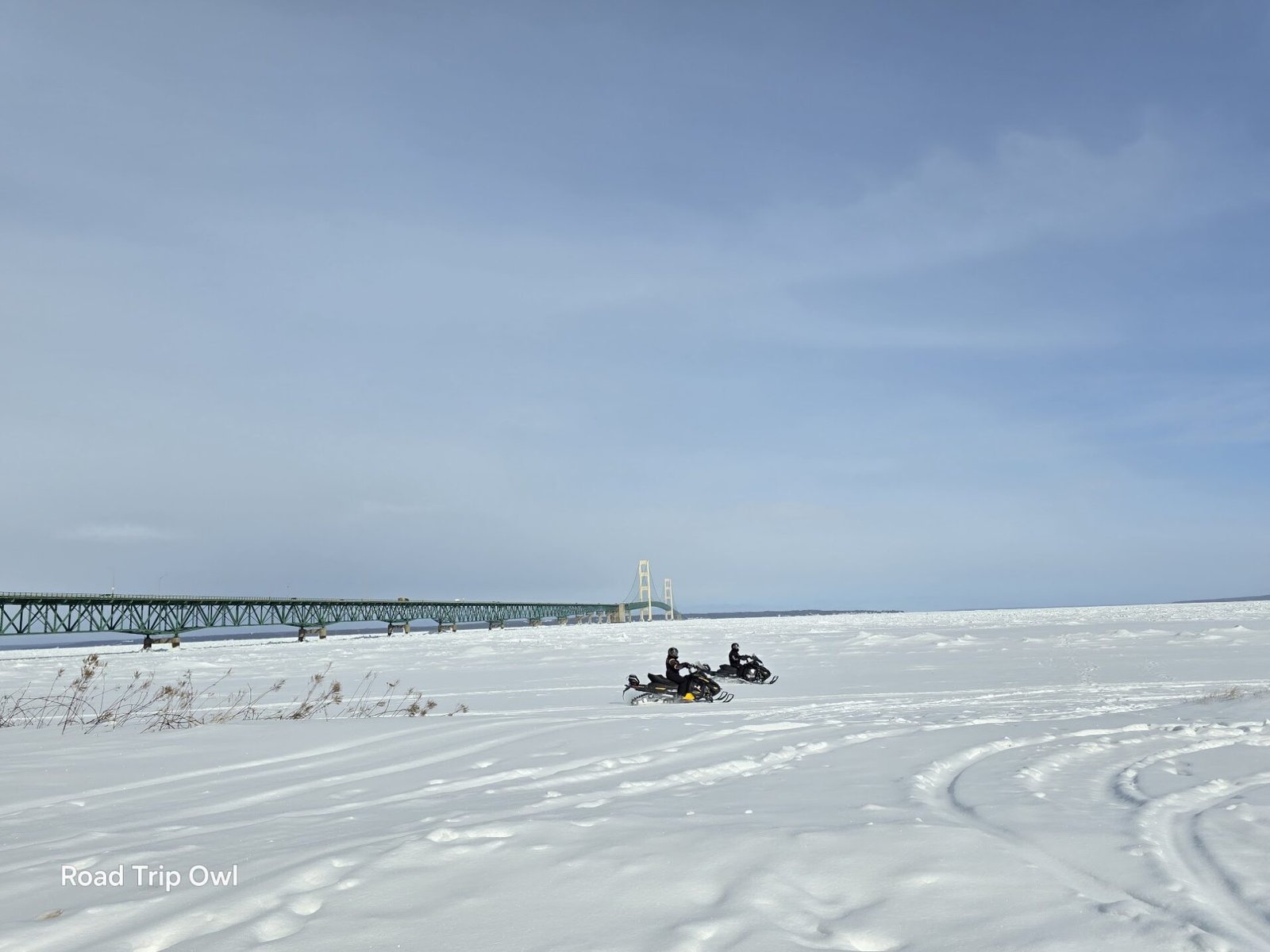
You don’t need to own one. Rental shops and guided tours exist everywhere there’s consistent snow. They’ll give you a helmet, show you the controls, and take you out on trails. It’s like an ATV but on snow, and it’s way more fun than it looks in photos.
Snowmobiling What to wear: Warm layers, insulated boots, gloves, goggles (tinted for sunny days), and a balaclava or face covering. If your skin is showing, it’s going to be cold – you’re moving fast out there. Most rental shops provide helmets and sometimes full suits.
Good for: Date night, solo, families, friend groups, teens, thrill seekers, first-timers
Bucket list: Yellowstone National Park in winter. The roads are closed to cars but open to guided snowmobile tours – you’ll see bison, geysers, and landscapes most visitors never experience.
Midwest option: Michigan’s Upper Peninsula has over 6,000 miles of groomed snowmobile trails. Rental shops are everywhere, and you can plan multi-day trips staying at trailside lodges.
16. Frozen Waterfall Hikes
Waterfalls don’t stop in winter – they freeze. And hiking to see a waterfall transformed into a wall of ice is completely different from the summer version. The trails are quieter, the scenery is dramatic, and the ice formations change throughout the season.
Frozen Waterfall Hikes What to bring: Waterproof boots with good grip, microspikes or traction cleats, trekking poles, and layers. Trails can be icy and uneven.
Good for: Date night, solo, families, friend groups, teens, all ages, thrill seekers, first-timers
Bucket list: Starved Rock State Park in Illinois has over a dozen frozen waterfalls in winter, all accessible by relatively easy trails. It’s surprisingly close to Chicago.
Midwest option: Pictured Rocks National Lakeshore and Tahquamenon Falls in Michigan’s UP both have stunning frozen waterfalls. Minnehaha Falls in Minneapolis freezes into an ice cave you can walk behind.
17. Spa Day
Not just “get a massage” – actually booking a spa day as the main event. Steam rooms, saunas, hot tubs, maybe a treatment or two. In winter, the contrast between cold outside and warm inside makes it hit different. Many spas offer day passes even if you’re not staying at the hotel.
Spa Day What to bring: Swimsuit and flip flops – most spas provide robes and towels. That’s the whole point: show up and let them handle everything.
Good for: Date night, solo, friend groups, teens, first-timers
Bucket list: Ojo Caliente in New Mexico – a mineral springs resort with multiple pools at different temperatures, an hour from Santa Fe. Or any of the famous spa towns like Calistoga in California.
Midwest option: The Kohler Waters Spa in Wisconsin is one of the top-rated spas in the country. Or just find a local Korean spa with a jjimjilbang (heated room) – Detroit, Chicago, and Minneapolis all have good ones.
18. Ice Sculpture Festivals
Entire sculptures – sometimes buildings – carved out of massive ice blocks. Many festivals let you watch the artists work, and some have ice bars where you drink from glasses made of ice. It’s temporary art that only exists in winter.
Ice Sculpture Festivals What to wear: Warm boots, gloves, and layers. You’ll be walking and standing outside for a while. Hand warmers are clutch.
Good for: Date night, solo, families, friend groups, teens, all ages, first-timers
Bucket list: The Harbin Ice Festival in China is the world’s largest, but stateside, the Lake Geneva Winterfest in Wisconsin and the St. Paul Winter Carnival in Minnesota both have incredible displays.
Midwest option: Plymouth Ice Festival in Michigan, Zehnder’s Snowfest in Frankenmuth, or pretty much any town in Minnesota or Wisconsin that takes winter seriously. Check local event calendars – these pop up everywhere.
19. Skiing or Snowboarding
Yes, it’s on the list. Not because it’s groundbreaking, but because a lot of people who’ve never tried it assume it’s too hard, too expensive, or too scary. It’s not. Beginner slopes are genuinely beginner-friendly, rental shops outfit you with everything you need, and lessons are included in most first-timer packages. You don’t have to be athletic or coordinated – you just have to be willing to fall a few times.
Skiing/Snowboarding What to wear: Waterproof jacket and pants, warm layers underneath, gloves, goggles, and warm socks. Rentals cover skis, boots, poles, and helmets at pretty much every resort.
Good for: Date night, solo, families, friend groups, teens, all ages, thrill seekers, first-timers
Bucket list: Park City, Utah. It’s the largest ski resort in the U.S., only 35 minutes from the Salt Lake City airport, and has a ski school with a “Green Run Guarantee” – if you’re not skiing confidently after three lessons, the fourth is free.
Midwest option: Crystal Mountain or Boyne Mountain in Michigan are solid choices for beginners. Smaller crowds, affordable lessons, and enough terrain to feel like you’re actually skiing. Or try Granite Peak in Wisconsin.
20. Polar Plunge
Jump into freezing cold water on purpose. That’s it. That’s the activity. It sounds insane, and it kind of is, but polar plunges happen all over the country – usually on New Year’s Day – and most raise money for charity. You’re in the water for maybe 10 seconds. It’s a rush, it’s hilarious, and you’ll have bragging rights forever.
Polar Plunge What to bring: Towel, warm robe or blanket, dry clothes to change into, and sandals or flip flops you don’t mind getting wet. You’re only in the water for seconds – it’s the after that matters.
Good for: Date night, solo, families, friend groups, teens, all ages, thrill seekers, first-timers
Bucket list: The Coney Island Polar Bear Club in New York does a New Year’s Day plunge every year. Hundreds of people run into the Atlantic Ocean together. The water hovers around 40 degrees.
Midwest option: Special Olympics runs polar plunges in almost every state. Michigan alone has 27 locations. Minnesota has 20+. Find one near you, raise the minimum donation, and jump in.
21. Fat Tire Biking
Mountain biking, but on snow. Fat bikes have oversized tires (3-5 inches wide) that float over packed snow, and they’re way more stable than they look. Tons of places rent them and have groomed winter trails specifically for fat biking. It’s a full-body workout, but no harder than regular biking.
Fat Tire Biking What to wear: Layers you can move in (you’ll warm up fast), waterproof boots or hiking shoes, gloves, and a hat that fits under a helmet. Rental shops provide the bike and helmet.
Good for: Date night, solo, families, friend groups, teens, all ages, thrill seekers, first-timers
Bucket list: Cuyuna Country State Recreation Area in Minnesota has 25 miles of groomed fat bike trails built on reclaimed mining land. It’s considered one of the best fat biking destinations in the country.
Midwest option: Michigan’s Upper Peninsula is the fat biking hub of the Midwest – Marquette alone has over 60 miles of groomed trails. Crystal Mountain and other ski resorts also rent fat bikes and groom dedicated trails.
22. Winter Helicopter Tour
See frozen landscapes from above – glaciers, snow-covered mountains, frozen lakes. Some tours land on glaciers. It’s expensive, but it’s also one of those “once in a lifetime” experiences that actually lives up to the phrase.
Winter Helicopter Tour What to wear: Warm layers, boots, gloves, and sunglasses. If you’re landing on a glacier, dress like you’re going outside – because you are.
Good for: Date night, solo, all ages, thrill seekers, first-timers
Bucket list: Juneau, Alaska offers helicopter tours that land on glaciers. You can walk around on the ice, take photos, and see blue ice formations up close.
Midwest option: Helicopter tours run in most major cities and scenic areas year-round. Search for scenic helicopter tours near your destination.
23. Winter Camping or Glamping
Camping in winter sounds miserable until you realize glamping exists. Heated yurts, insulated canvas tents with wood stoves, cabins with hot tubs – you get the “snowy wilderness” experience without actually freezing. Many state parks and private resorts offer winter glamping options.
Winter Camping/Glamping What to bring: Warm layers, cozy socks, slippers for inside the yurt or tent, and a headlamp. Most glamping spots provide bedding and heat – check ahead so you’re not overpacking.
Good for: Date night, families, friend groups, teens, all ages, thrill seekers, first-timers
Bucket list: Yellowstone or Grand Teton in winter – both have heated cabin and yurt options surrounded by snow-covered wilderness.
Midwest option: Michigan state parks have heated cabins and yurts available year-round. Porcupine Mountains, Tahquamenon Falls, and Wilderness State Park all have rustic cabin rentals.
24. Snowkiting
Kite flying + skiing or snowboarding. You use a large kite to pull you across frozen lakes or snowy fields. It looks wild, feels like flying, and is surprisingly learnable. Most places that offer lessons provide all equipment.
Snowkiting What to wear: Snow pants, waterproof jacket, insulated boots, goggles, gloves, and a helmet. Lessons provide the kite and harness – just show up dressed for wind and cold.
Good for: Date night, solo, families, friend groups, teens, thrill seekers, first-timers
Bucket list: Hood River, Oregon or the frozen lakes of Minnesota are prime snowkiting spots. When conditions are right, you can cover huge distances with almost no effort.
Midwest option: Frozen lakes across Minnesota, Wisconsin, and Michigan become snowkiting playgrounds in winter. Look for kite schools that offer winter sessions – they exist in most areas with consistent snow and wind.
25. Ice Racing
Cars, motorcycles, or ATVs racing on frozen lakes. Some events let spectators watch; others let you actually drive. There’s something deeply satisfying about watching vehicles slide sideways at high speed on ice.
Ice Racing What to bring: If you’re spectating: warm boots, layers, hand warmers, and a camp chair. If you’re driving: check with the event for helmet and gear requirements.
Good for: Date night, solo, families, friend groups, teens, all ages, thrill seekers, first-timers
Bucket list: The Sno*Drift Rally in northern Michigan is one of the longest-running winter rally events in the U.S. Watch professional drivers tear through snow-covered roads, or look for ice racing events on frozen lakes across the northern states.
Midwest option: Ice racing happens on frozen lakes all over Michigan, Minnesota, and Wisconsin. Local clubs host events throughout winter – some are spectator-only, others let you race your own vehicle. Check local motorsport clubs for schedules.
26. Ice Climbing
Scaling frozen waterfalls with ice axes and crampons. It’s exactly as intense as it sounds, but beginner classes exist and guides provide all the gear. You don’t need climbing experience – just a willingness to try something completely different.
Ice Climbing What to wear: Warm layers that move with you, waterproof pants, insulated boots, gloves, and a hat. Guides provide the technical gear – axes, crampons, harness, helmet.
Good for: Date night, solo, families, friend groups, teens, thrill seekers, first-timers
Bucket list: Ouray Ice Park in Colorado is the ice climbing capital of the U.S. They actually “farm” ice on the walls of a natural gorge, creating over 200 climbing routes. The annual Ouray Ice Festival in January offers beginner clinics.
Midwest option: Pictured Rocks in Michigan hosts the Michigan Ice Fest, which draws climbers from across the country and offers beginner classes. The Upper Peninsula has reliable ice throughout winter.
27. Moonbiking
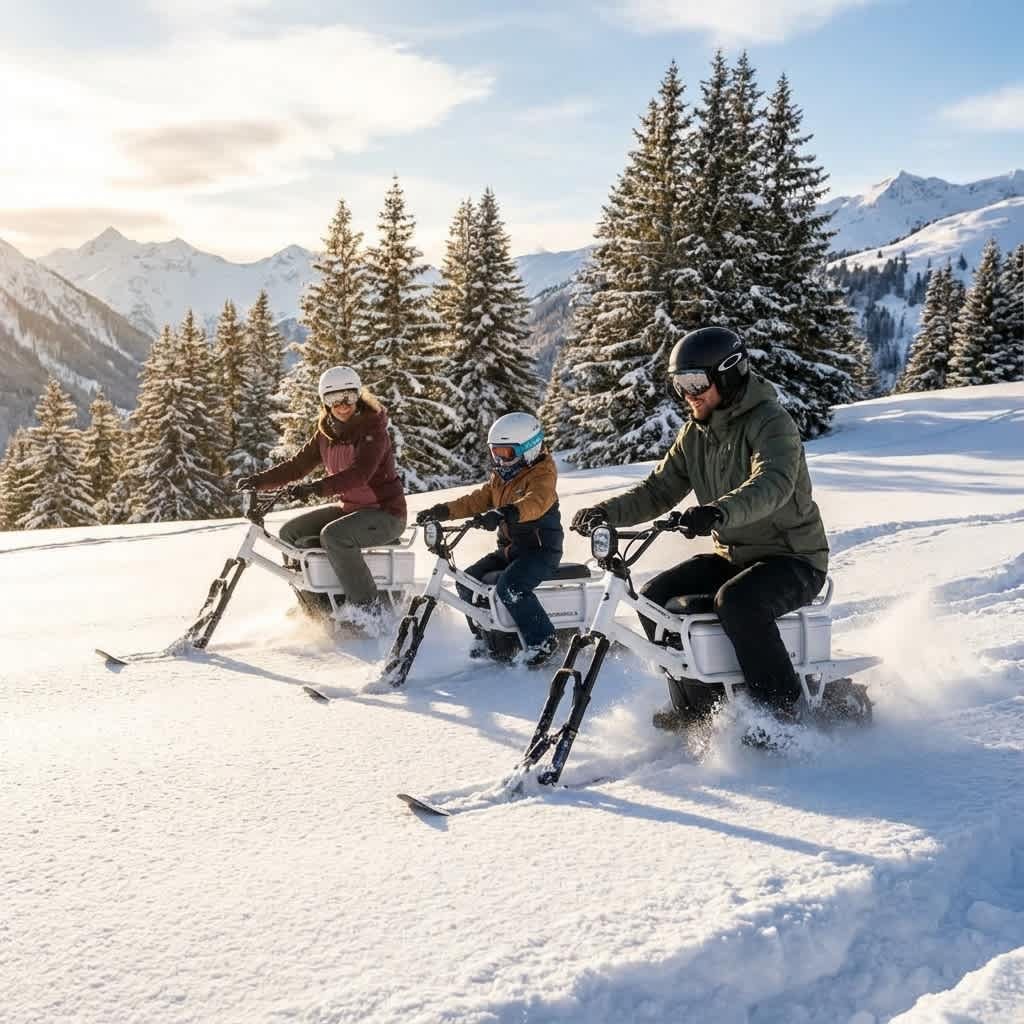
Electric fat bikes designed specifically for snow, with motors that make climbing hills effortless. All the fun of exploring snowy trails without the leg burn. Guided tours take you through backcountry terrain you’d never access on foot, and the bikes are surprisingly easy to handle.
Moonbiking What to wear: Warm layers, waterproof boots, gloves, and goggles or sunglasses. Rentals include the bike and helmet – just show up ready for cold.
Good for: Date night, solo, families, friend groups, teens, thrill seekers, first-timers
Bucket list: Alta, Utah and other western ski resorts offer Moonbike tours through alpine terrain with mountain views in every direction.
Midwest option: Boyne Mountain in Boyne Falls, Michigan has Moonbike rentals and tours – a great way to explore the resort beyond the ski slopes.
28. Winter Rafting
Most people don’t know you can raft in winter – which is exactly why you should. In the Midwest, winter rafting is more scenic float than whitewater adventure. You glide through snow-covered forests on crystal-clear rivers while staying completely dry in the raft. It’s peaceful, beautiful, and feels like you’ve discovered a secret.
What to wear: Snow pants, warm jacket, boots, hat, and gloves – dress like you’re going for a winter hike. You won’t get wet, but you will be outside for a couple hours. Bring a thermos of hot cocoa.
Good for: Families, date night, groups, all ages, first-timers
Bucket list: The Grand Canyon offers winter rafting permits for those who want true whitewater adventure – and they’re easier to get in the off-season.
Midwest option: The Sturgeon River is the fastest-flowing river in the Lower Peninsula and rarely freezes. Sturgeon River Paddlesports and Jordan Valley Outfitters on the Jordan River both offer guided winter trips where you float beneath snow-draped cedars, spot wildlife, and wonder why more people don’t know about this.
Winter doesn’t have to be something you survive. Throw on an extra layer, pick something from this list, and go. You don’t need to be an expert, you don’t need expensive gear, and you don’t need perfect weather. You just need to show up. The best winter memories aren’t made on the couch.
FAQ
How do I get my teenager to enjoy winter?
Take them out to try new things until something clicks. Not every teen is going to love skiing, but maybe they’ll get hooked on fat tire biking or ice climbing. The key is exposure – the more you show them how easy it is to layer up and get outside, the more likely winter activities stay on their radar as adults. Don’t give up after one “this is boring.” Try something else.
What are the best winter date ideas?
Hot springs, sleigh rides, igloo dining, and ice skating are all classic winter date nights. But honestly, most activities on this list work – sharing a new experience together beats dinner and a movie. Snowshoeing to a frozen waterfall? That’s a story. Curling lessons where you’re both terrible? That’s a memory.
How do I enjoy winter more?
Dress warm and go outside anyway. Seriously – that’s 90% of it. Winter sun on your face feels incredible when you’re not freezing. Invest in good layers, wool socks, and a decent coat, and suddenly winter stops being something to survive and starts being something to actually enjoy. The activities exist. You just have to show up for them.
What winter activities don’t require experience?
Most of them. Snowshoeing, tubing, sleigh rides, ice skating, hot springs, ice fishing, and fat tire biking are all beginner-friendly. Even the more intense stuff – dog sledding, curling, skiing, ice climbing – has lessons and guides designed for first-timers. Everyone starts somewhere, and “I don’t know how” isn’t really a barrier anymore.