

The Best Vacuum Sealer Is a Chamber Vacuum Sealer
Best Vacuum Sealer: The Short Answer
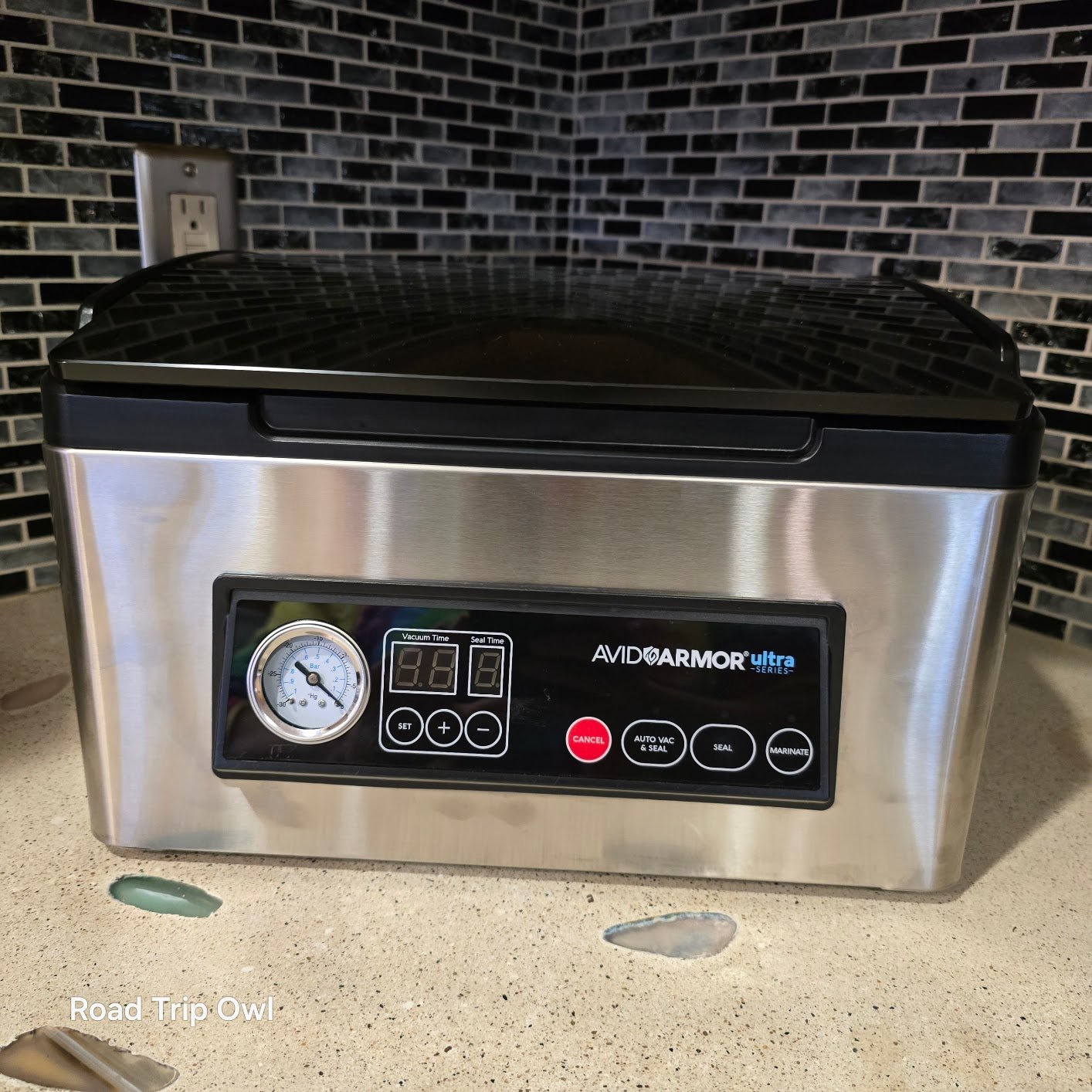
A chamber vacuum sealer. Specifically: the Avid Armor USV32 . Keep reading for the why.
Most people don’t know they exist — which is why every “best vacuum sealer” list you’ve already scrolled through is full of FoodSavers. I had a regular sealer too. It would fail on half the bags I tried to seal. And worse — sometimes the bags looked sealed, only for me to pull the food out weeks later and find the seal had quietly failed. Bag wasted. Food wasted. Trust wasted.
Two years ago I bought my first chamber sealer: the Avid Armor USV32. It’s been sitting on my kitchen counter ever since because I use it that often. Not in a cupboard. Not pulled out for special occasions. On the counter. And in over two years, I haven’t found a single thing to complain about.
Quick proof, if you want it:
- Apples I sealed 5 days ago — no lemon juice, no anti-browning anything, just apples straight in a bag — are still as white as the moment they went in
- I threw a plate of sealed ham roll-ups across the room on purpose — bag intact, food in place (photo proof below)
- Not a single bag has failed to seal. Not one. In over two years.
- Works with Avid Armor (what I actually buy), FoodSaver, or generic bags — no proprietary lock-in
- For around the price of three of the regular vacuum sealers we’ve all tried before — the ones that fail half the time and make you want to throw them across the room. The packages coming out of this one? You actually can throw them — and they hold up.
Here’s the thing. This is what you think you’re buying when you grab a vacuum sealer off the shelf. Something that seals tight, every time. Something that pulls out all the air without you crossing your fingers and praying for the seal to hold. That’s the promise on every box. This is the one that actually delivers.
If you came here looking for the best vacuum sealer — that’s it. Keep reading for the math, the photos, and the full why. Or just go buy one.
I Get It — I Searched This for Years Too
I have typed “best vacuum sealer” into Google more times than I want to admit. Probably more times than you want to admit, honestly. And every single time, I got the same set of lists. FoodSaver this. FoodSaver that. The same five machines compared in different orders. Reviews written by people who had clearly used the sealer once for the photo shoot.
I bought one of those popular brands. And mine started doing exactly what I’d been afraid of — failing to seal bags, letting air sneak back in weeks later, costing me food and money on bags I had to throw out.
It took me actual years to even hear the words “chamber vacuum sealer.” Nobody on those lists mentioned it. Nobody on YouTube was reviewing them. They weren’t in the Amazon “people also bought” carousel. The people who wanted the best vacuum sealer — and that was me — couldn’t find it. So I’m writing what I wish I’d found.
What Is a Chamber Vacuum Sealer and How Does It Work?
A chamber vacuum sealer is exactly what it sounds like: a vacuum sealer with a chamber. The bag of food goes INSIDE the machine — not just the open end. Then the lid closes, the whole chamber pulls a vacuum (air leaves the bag and the chamber at the same time), the bag gets sealed inside, and the chamber re-pressurizes. That last part is what makes the bag hug your food so tight.
Regular vacuum sealers — the FoodSaver-style ones we’ve all used — work differently. The bag stays outside the machine. You feed the open end into a narrow channel, the machine sucks air out through that opening, then it heat-seals the end. It’s a lot more like a clamp and a straw than a chamber.
The reason it matters in real life:
- Chamber sealers handle wet food and marinades without sucking liquid into the machine (regular sealers can’t — that’s why your marinade always wrecks the seal)
- The pressure equalization means the bag actually presses evenly against the food instead of getting sucked sideways into a wrinkly mess
- Smooth, cheap bags work just fine in a chamber sealer. External sealers need expensive textured bags — the ones with the little channels — so the air has somewhere to go on its way out
- The seal is wider and stronger because it happens in a controlled, sealed environment instead of mid-suction
This is also why every restaurant kitchen, charcuterie shop, and sous vide setup you’ve ever seen uses a chamber sealer. The technology isn’t new — it’s just been hidden behind the consumer-aisle marketing for decades.
The Throw-Across-the-Room Test
Here’s how I ended up throwing food across my kitchen.
I’d been sealing ham roll-ups on paper plates — ham wrapped around cream cheese and a pickle, three plates’ worth for the family. After the third plate came out of the machine, I was so impressed with how solid it looked that I picked one up by the corner and shook it. The roll-ups didn’t budge. So I shook it harder. Nothing.
Then I made the executive decision that has now become an article: I threw one across the room.
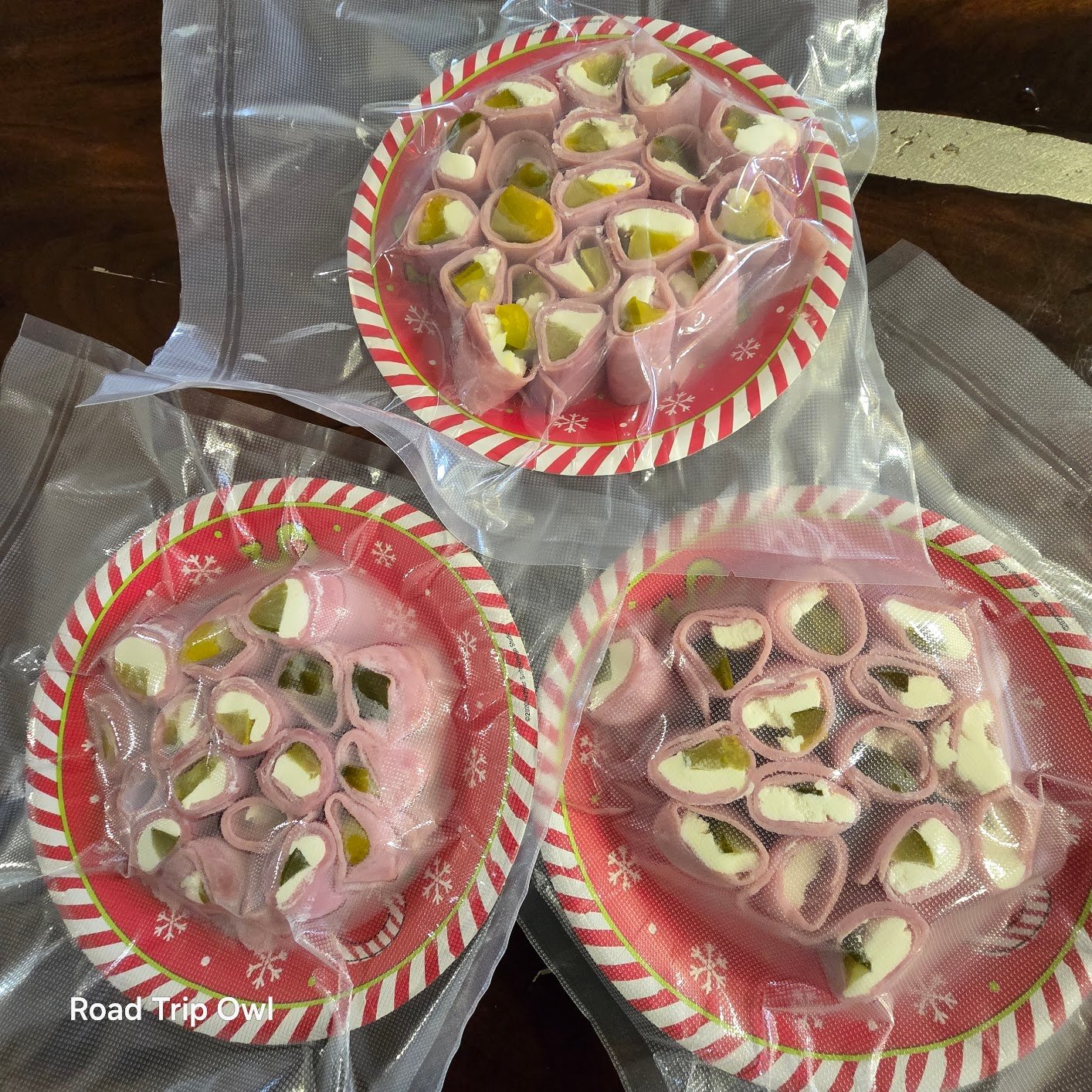
For the record, I made sure the one that flew landed upside down — not on the edge — because I was running a test, not destroying my kitchen. And here’s the part that still cracks me up: I have a photo of all three sealed plates side by side, and you cannot tell which one flew across the room.
Are these perfect? No. Did the bag wrinkle the side of some of the ham roll-ups? Yes. Can they now get thrown across the room and live to tell about it? Also yes.
And THAT is the whole thesis of this article: the things coming out of this sealer might not look like a magazine spread, but they’re tough enough to throw across the room and survive intact. I made these by hand to eat, not to photograph. So perfect they are not — food they are. And I am SO happy with this trade-off.
What I’ve Actually Sealed (A Real-Life Snapshot)
This isn’t an exhaustive list — it’s a real-life snapshot of what’s come out of my sealer recently. After two years on the counter, I’ve lost track of the actual total. Here’s a peek at what real life looks like when a chamber sealer lives in your kitchen.
The 5-Day Apple Proof (And a Quick Honesty Note)
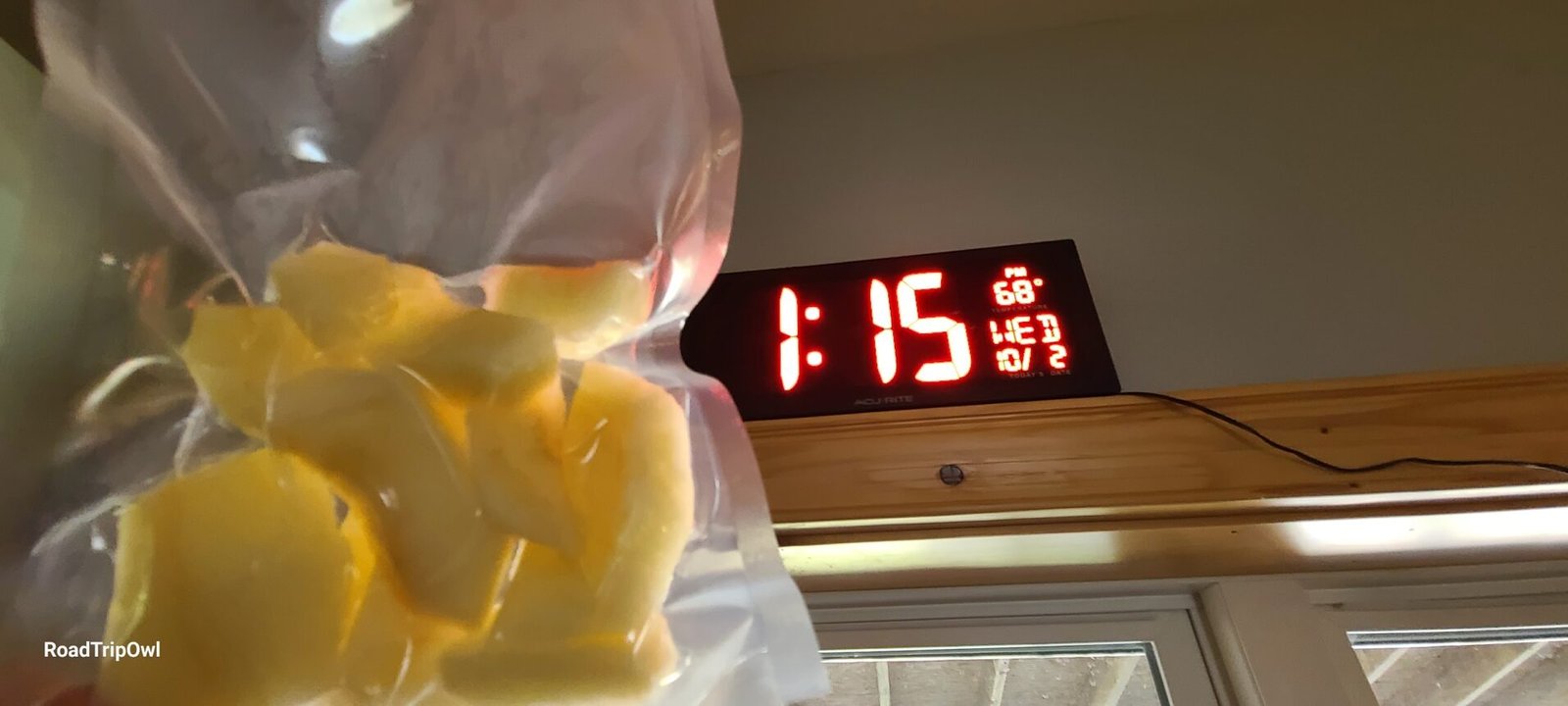

The apples in this photo aren’t from this week — the date stamp will give that away. Here’s the deal: I DID seal apples this week, and they’re in the fridge right now. Fun side effect of owning a chamber sealer: I eat apples all the time now, because I can cut them ahead and have them ready to grab. But that’s also the problem with my “how long do they really last” experiment — I’ve never had a batch last more than about 5 days before I ate them.
So this is the proof I can honestly show you: apples sealed for 5 days, no lemon juice, no anti-browning spray, no tricks. Just apples in a bag. Still white as the day they went in. I have a test apple in the fridge right now that I’m not allowed to eat, and I’ll update this article when I find out how far past 5 days they hold.
Ham Roll-Ups (Yes, Those Ham Roll-Ups)
You’ve already met these. Three plates’ worth, sealed for a family gathering, one of them airborne. The bag tightened around them perfectly, and the seal held even with paper plate edges and uneven contents underneath.
Goldfish Crackers (Let’s Be Honest)
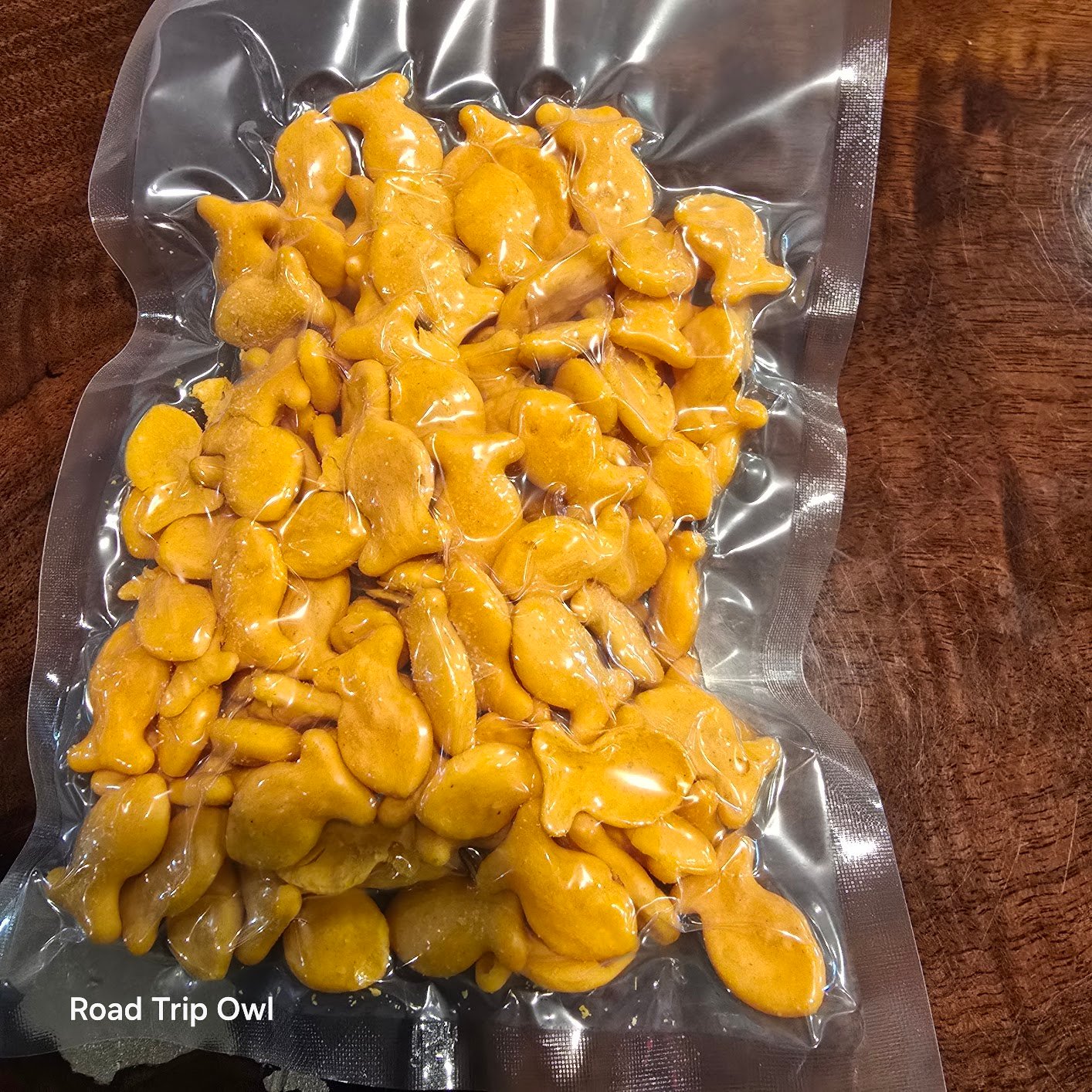
This is where I want to be straight with you. Are they more compressed than they need to be? Maybe. They didn’t turn to powder, and not all of them broke — but the bag pulls tight enough that some got squished. The trade-off is real: they’ll stay fresh, they won’t spill in the car, and they won’t get crushed at the bottom of a backpack. For road trip snacks where shelf life matters more than presentation, this is exactly what I needed.
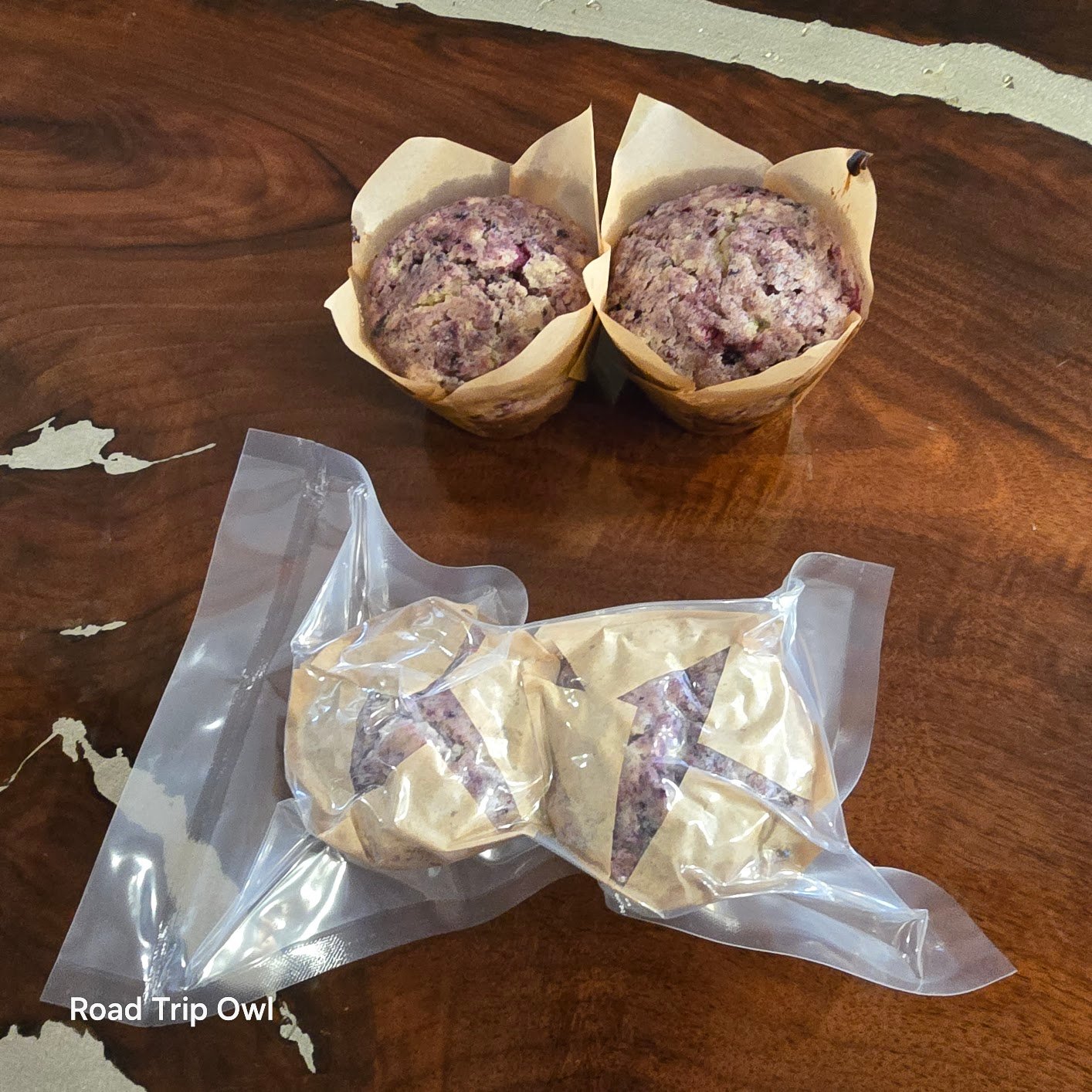
Make-Ahead Breakfast: Muffins + Breakfast Sandwiches
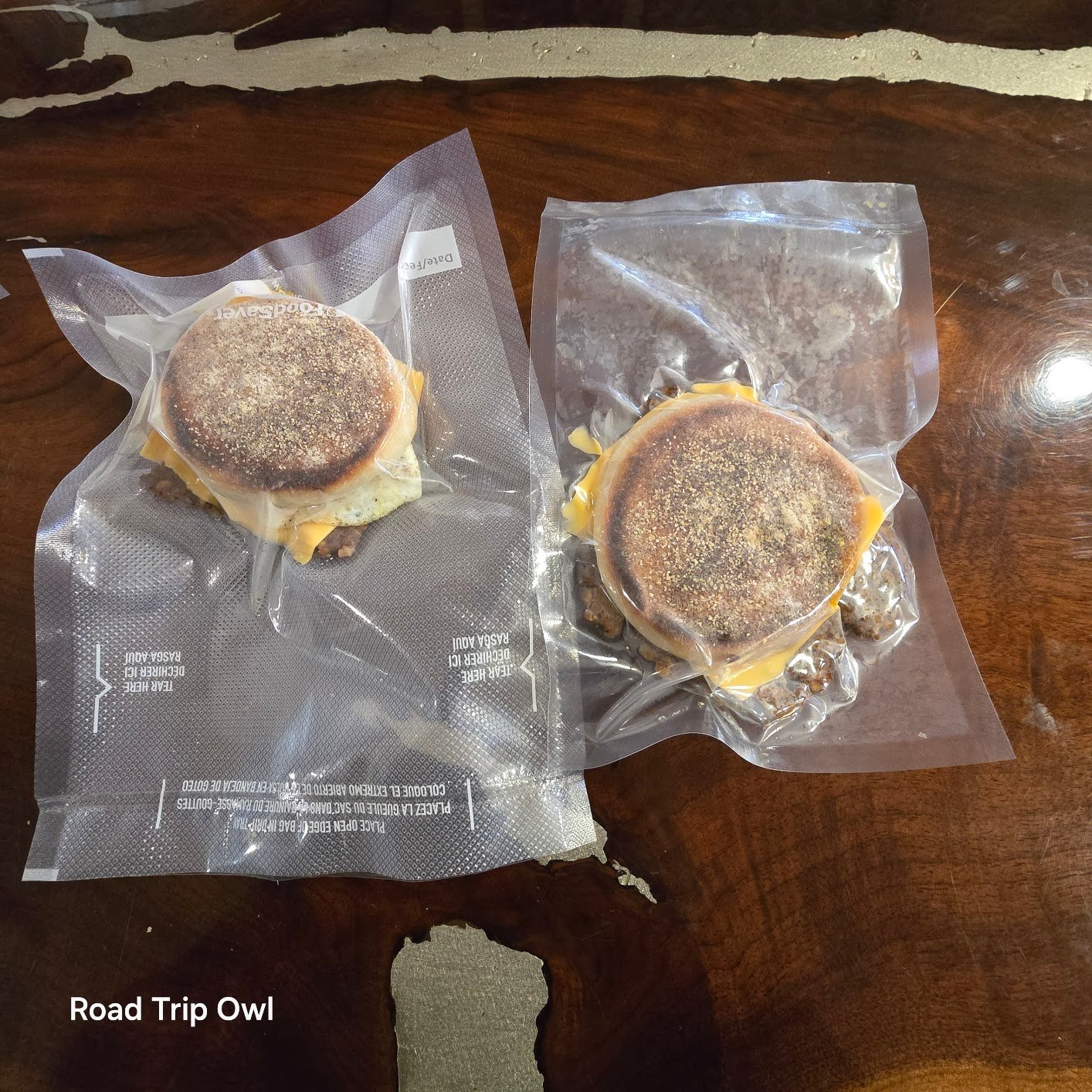
Both came out great — not smushed, bread held its shape. Toss them in the freezer and you’ve got grab-and-go breakfast all week. This is where the meal-prep crowd is going to fall in love with chamber sealers.
Bread Sandwiches (The One Thing I’d Tell You to Skip)
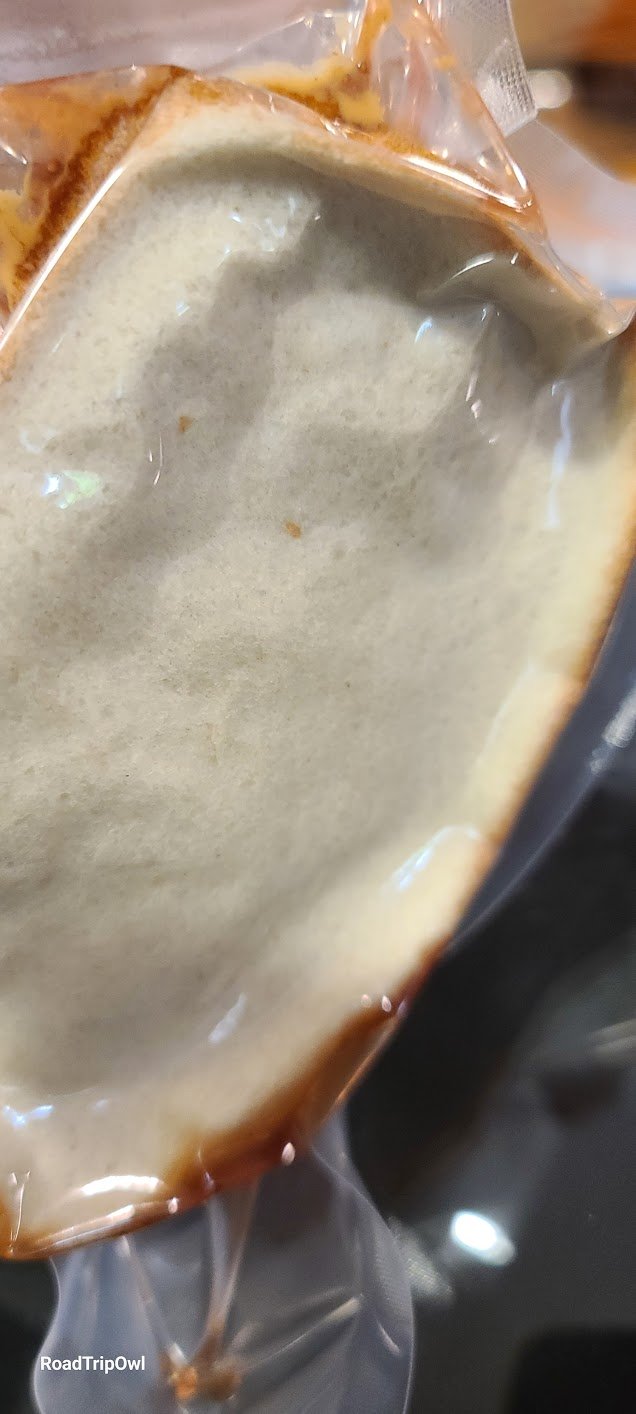
This is the one thing I’ll tell you NOT to do. Vacuum sealing a regular bread sandwich turns the bag into a near-translucent pancake. The peanut butter survived. The bread did not.
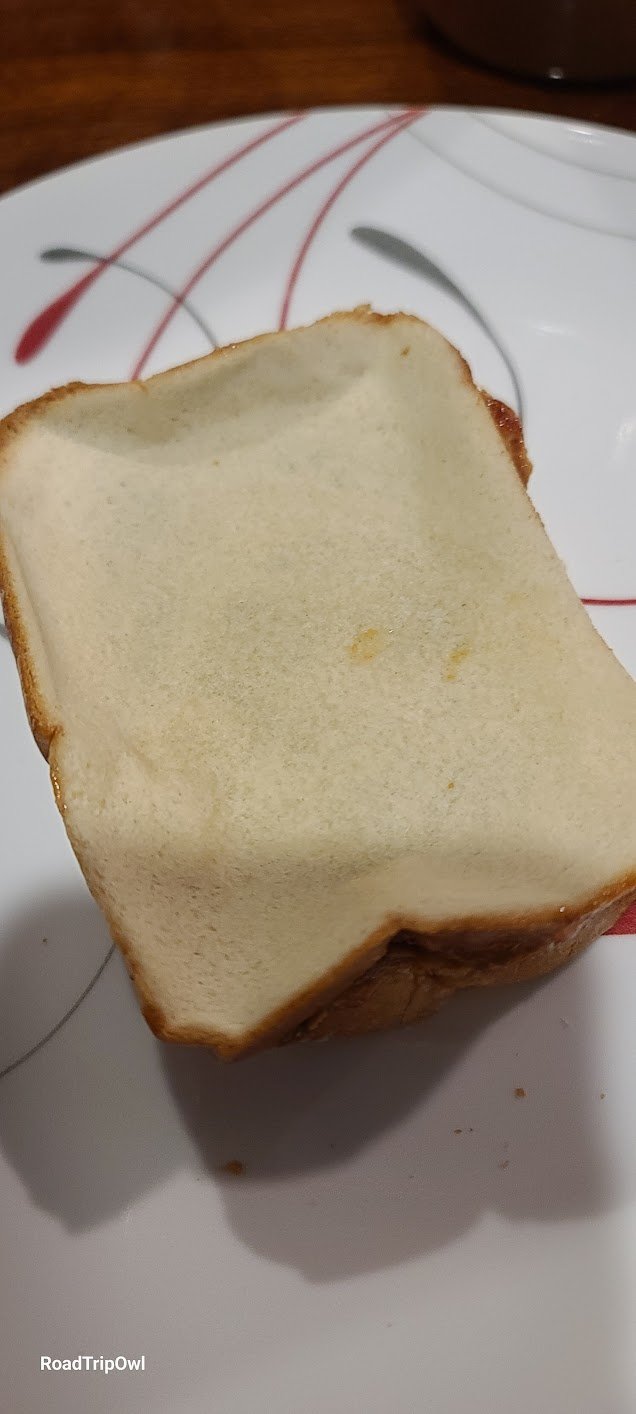
Once you take it out of the bag, the bread rebounds some — but not enough. I still ate them, but no one’s getting excited about a deflated PB&J. If you’re just trying to keep your lunch clean and dry in a backpack, a ziplock does the job and your bread keeps its dignity.
The ONLY time I’d actually vacuum seal a sandwich is if you’re hiking the Narrows, doing a slot canyon, or otherwise wading through water with your lunch on you. In that scenario the bag is doing the same waterproofing job a dry bag does, and the squishing is just the cost of the bread surviving the day. Anything less extreme? Use a ziplock.
Breakfast Sausage Patties
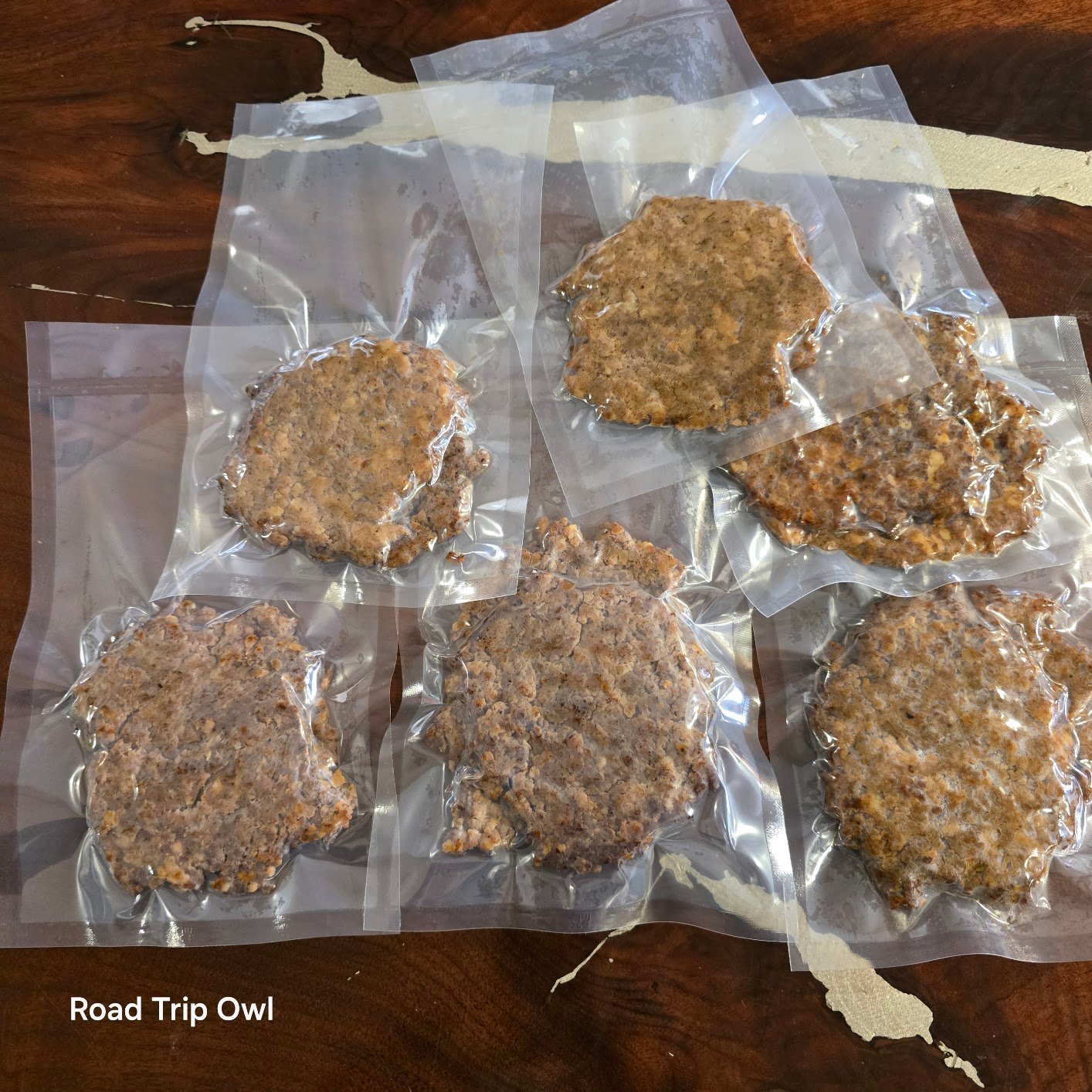
These are cooked breakfast sausage patties, sealed in batches for weekday breakfasts. Pop one out, microwave for 20 seconds, and you’ve got the protein for whatever breakfast you’re throwing together — a sandwich, a wrap, eggs and toast, a breakfast burrito. The patty does the work; you decide the meal.
And if you’re sealing raw meat — the use case most people associate with vacuum sealing — chamber sealers handle that beautifully too. Regular sealers struggle because the moisture gets pulled into the sealing channel; a chamber sealer doesn’t notice. Wet, fatty, raw, marinated — none of it matters.
Sausage + Cheese + Crackers (Road Trip Lunchbox)
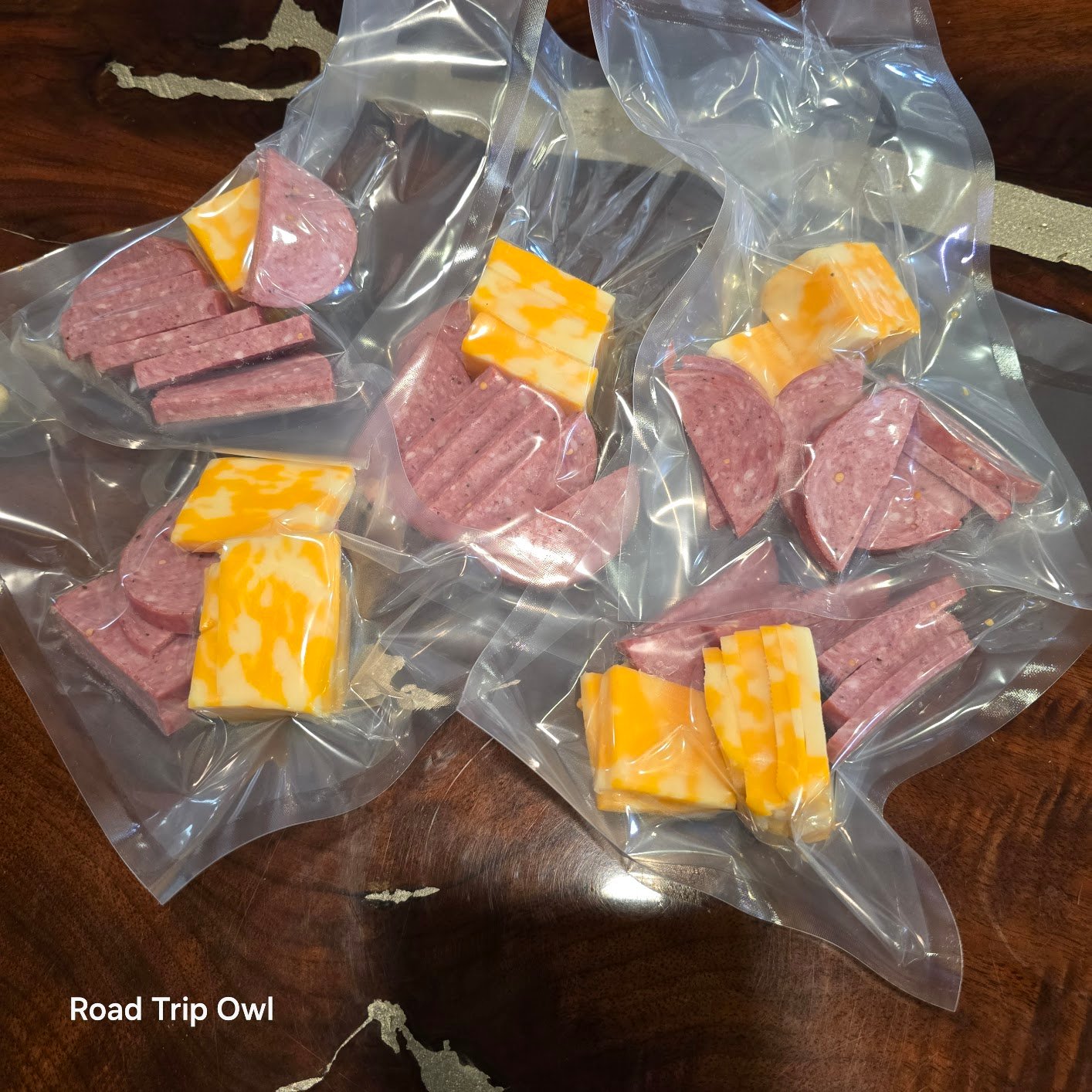
My go-to road trip combo. Pre-portioned, ready to grab from the cooler, no crushed crackers, no melted-cheese mess. Full snack prep breakdown in .)
Garden Harvest: Dehydrated Cabbage Powder
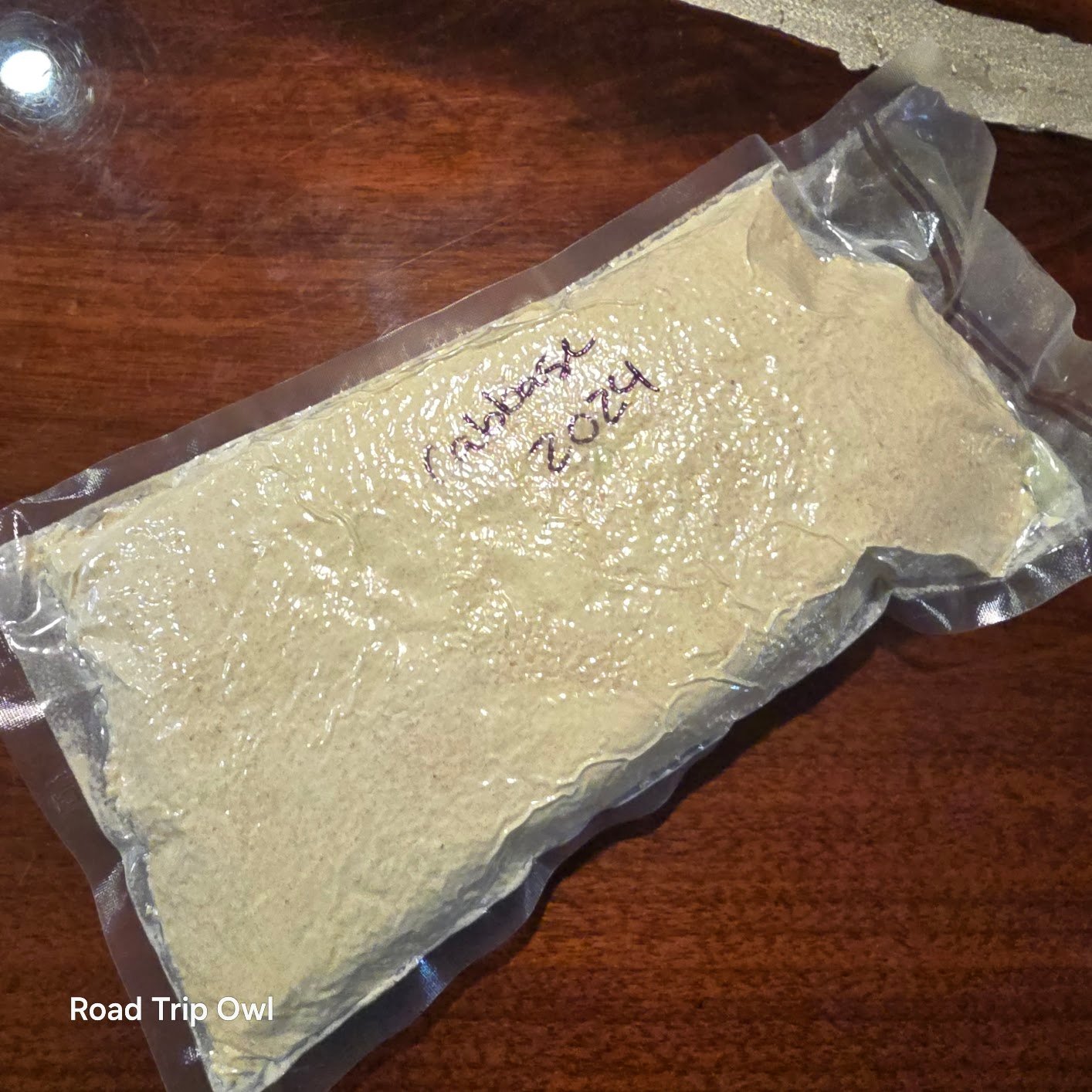
This is the use case that turned me into a true believer. I dehydrate cabbage from the garden, grind it into a fine powder, and seal it in vacuum bags for long-term shelf storage. Cabbage powder is a quietly powerful homesteading ingredient — shelf-stable, packed with the nutrition of fresh cabbage, and it works as a seasoning, a thickener, or a sneaky nutritional boost. I add it to soups, sauces, casseroles, ground meat dishes, even smoothies.
Sealed in vacuum bags, the powder stays bone dry and ready to use for months. That’s a garden harvest stretched into a year-round pantry staple.
This is the use case that makes a chamber sealer pay for itself — instead of watching half my garden go bad on the counter, I’m actually USING the whole harvest.
(Garden peppers get the same treatment — fresh-cut, pre-portioned by serving size, sealed for grab-and-go stir-fries. They didn’t make it long enough for a good photo, which I’m going to call its own kind of proof.)
Chamber Sealer vs. Regular Vacuum Sealer (Where the Differences Actually Matter)
You’ve seen how the two machines work mechanically. Here’s where those differences turn into real-life differences — the things that actually matter when you’re standing in the kitchen with a marinade in one hand and a sealer in the other.
Wet Food, Marinades, and Liquids
This is the dealbreaker. External sealers physically cannot handle wet food without sucking the liquid right into the machine. You either get a failed seal, a ruined motor, or both. Chamber sealers don’t care. You can seal soup, broth, marinade, brine — anything that pours. The pressure balance inside the chamber means the liquid stays put while the air leaves.
Raw Meat
Closely related, but worth its own line. Raw meat releases moisture as you seal it. Regular sealers struggle with this — that moisture sneaks into the seal area and weakens or breaks the bond. Chamber sealers ignore it completely. Wet, fatty, raw, marinated, brined — it all seals the same way: cleanly, the first time.
Sous Vide
If you’ve ever wondered why every sous vide YouTuber, restaurant kitchen, and serious home cook uses a chamber sealer, this is why. You can seal portions WITH the marinade, WITH the liquid, WITH the brine, with no risk of any of it getting pulled out during sealing. For sous vide, this is the difference between an okay setup and a real one.
Bag Reliability
I’ve covered this above, but it’s worth saying directly: in over two years, I have not had a single bag fail on my chamber sealer. Not one. With my old external sealer, half my bags either failed at the seal or quietly let air back in over time. The chamber’s full-bag pressure environment makes a stronger, wider, more even seal than a clamp-and-suck channel ever will.
Bag Costs (This One Surprised Me)
External sealers REQUIRE textured bags — the ones with the little channels — so the air has somewhere to go on its way out. Those bags are pricier per bag. Chamber sealers can use those, OR smooth bags, which are noticeably cheaper. Over the life of the machine, that bag cost difference adds up.
What Regular Sealers Still Win On
To be fair: regular sealers are cheaper upfront, smaller on the counter, and lighter to move. If you’re sealing one bag of dry coffee a month, a regular sealer is totally fine. The case for a chamber sealer is real-world volume and variety. Once you start using one regularly, you stop reaching for the cheap one.
| Feature | Regular Vacuum Sealer | Chamber Vacuum Sealer |
|---|---|---|
| Wet food / liquids | ❌ Pulls liquid into the machine | ✅ Seals liquids cleanly |
| Raw meat | ⚠️ Moisture can break the seal | ✅ Handles it cleanly |
| Sous vide with marinade | ❌ Liquid gets sucked out | ✅ Industry standard |
| Seal reliability | ⚠️ Bags can fail silently | ✅ Seals every time |
| Bag types | Textured bags only | Smooth OR textured |
| Bag cost over time | Higher | Lower |
| Upfront cost | Lower | Higher (~3× a regular sealer) |
| Counter footprint | Smaller | Larger |
| Best for | Light, occasional use | Real-world volume + variety |
The Money Math (Why a Chamber Vacuum Sealer Actually Pays for Itself)
I want to tell you what was actually going through my head when I bought this thing.
I’d been trying to save food from my garden — really trying. I’d bought a sealer, it didn’t work, I gave up for a couple of years, came back to it, bought another, then another. By the time I was looking at a chamber sealer, I had three failed sealers sitting in my cupboard. And that’s just the machines — the garden food I’d thrown away over the years because of failed seals was worth more than any of them.
So when I saw the price on this one — about 3× the cost of a regular sealer — I didn’t blink. Different price range. Different category. Maybe a different result. I’d already spent more than this on stuff that didn’t work, and I knew there HAD to be a way to actually save what I was growing. I just had to find it.
That’s the math I did before I bought it. Here’s the math I’ve done since.
The Headline Number (And Why It’s the Only One That Looks Bad)
Yes, a chamber sealer like mine runs around 3× the price of a regular FoodSaver-class sealer. That’s the number that scares people off. But it’s the ONLY number in this comparison that looks bad for the chamber sealer. Every other line item runs the other direction.
The Hidden Cost of a Cheap Sealer
This is the part nobody talks about, and it’s where the math flips:
- Failed bags. Roughly half the bags I tried to seal with my old regular sealers either failed visibly OR (worse) failed quietly — sealed-looking on day one, air-leaked by week two. Every one is a wasted bag.
- Wasted food. The silently-failed seals are the real killer. Freeze a meal, pull it out a month later, the seal had been bad the whole time, and the food is freezer-burned or spoiled. That food cost real money.
- Required premium bags. External sealers can only use textured/channel bags, which cost noticeably more than the smooth bags a chamber sealer can also use.
- Replacement sealers. Cheap sealers don’t usually last. I’d been through three before I switched.
Add those four lines together and “the cheap option” stops being cheap somewhere between year one and year two.
My Actual Two-Year Math
- Two years owning the chamber sealer
- Zero failed bags
- Zero spoiled food from seal failures
- Zero replacements needed
- Used cheaper smooth bags whenever I wanted to
- Garden food finally getting saved instead of wasted
- Sealer still lives on my counter every single day
For around the price of three regular sealers, I got one that has out-performed the cycle of cheap ones, will likely keep doing so, and saved me money on bags, food, AND the next cheap sealer I would have inevitably bought.
When the Math DOESN’T Work
I want to be straight: if you seal a couple of bags a month and never deal with wet food, sauces, meat, or sous vide, you don’t need a chamber sealer. The math only flips in your favor when you actually USE it. If yours would live in a cupboard, the cheap one will serve you fine.
But if a sealer is going to live on your counter? It pays for itself faster than you’d think.
The Honest Tradeoffs (What This Sealer Is NOT)
If I’m going to tell you a chamber sealer is the best vacuum sealer, I need to tell you what it isn’t. None of these are dealbreakers for me — I wouldn’t be writing this article if they were — but you should know them going in.
It Takes Up More Counter Space
A chamber sealer is bigger than a regular sealer. There’s no getting around that — there’s literally a chamber inside it. Mine has a noticeable footprint. (Good news: a black cover is available that makes it look like a clean piece of countertop equipment instead of a science fair project.)
Bag Size Is Limited by the Chamber
Whatever you’re sealing has to fit inside the chamber. For my Avid Armor USV32, that’s plenty of room for everything I’ve ever needed to seal — meal-prep portions, whole plates of ham roll-ups, garden veggies, family-sized batches. But if you’re trying to seal a whole brisket or a 5-pound chuck roast in one go, you’d want a larger chamber model.
Some Foods Get Cosmetically Squished
We talked about this with the goldfish above. The bag pulls tight against whatever you put in it. For sturdy stuff (meat, sausage, sealed plates with rigid food on top), it doesn’t matter at all. For delicate stuff (crackers, light pastries), you get a tighter, more compressed shape than you might want for serving. Function over form, every time. The bag that wraps your food tight is the bag that holds the seal, lasts in the freezer, and survives being thrown across the room.
The Upfront Price (Already Covered)
We did the math earlier. The chamber sealer costs more upfront. But if you actually USE it, that gap closes fast and keeps going past it. Worth a re-read if you skipped that section.
That’s the full honest list. Even with all of it, I’d buy this sealer again tomorrow.
The One I Bought: Avid Armor USV32 Review
If you’ve read this far, you’re probably ready to know what to actually buy. So here’s the one that lives on my counter.
My Honest Caveat
This is my first chamber sealer. I haven’t tested it against other chamber models head-to-head. So while I can absolutely tell you the Avid Armor USV32 has performed perfectly for me for over two years — zero failed bags, zero complaints — I can’t honestly tell you it’s THE single best chamber sealer ever made. There might be a better one. I just haven’t found a reason to look.
What I CAN tell you: if you’re looking at chamber sealers in this price range, this one earned its spot on my counter and has held it for two years running. That’s the real review.
Specs Worth Knowing Before You Buy
- Compact countertop footprint: 11.5″W × 12″D × 3.5″H — fits on a normal kitchen counter
- 11.5″ chamber bar with TWO sealing wires — this is the one I want you to notice. Two wires means every bag gets a double seal in one cycle. That’s a big part of why I’ve never had a single bag fail in two years.
- Clear glass lid — you can see what you’re doing during the seal cycle, which sounds minor until you’re trying to position a wet, drippy plate of marinated meat in the chamber. Then it’s the difference between sealing on the first try and re-loading three times.
Why It’s a Good Fit for Most People
- Right-sized chamber for everyday family use — meal-prep portions, full plates of food, garden veggies, and family-sized batches all fit
- Simple controls — no learning curve, no fiddly settings to dial in
- Built solid — feels like a real piece of equipment, not a flimsy kitchen gadget
Bag Compatibility
I’ve covered this throughout the article, but here it is in one place: the USV32 works with any chamber-compatible bag. Avid Armor (what I actually buy), FoodSaver, bags, off-brand bags from any reasonable supplier — they all seal flawlessly. No proprietary lock-in. Buy whatever bag is on sale.
Quick honesty note on how I know: I actually buy the Avid Armor brand bags myself (they’re reasonably priced), but I had a bunch of leftover bags sitting in my cupboard from my old sealers. I wanted to use them up before buying new ones, which is how I found out the USV32 doesn’t care what brand you use. Buy whatever’s on sale, or use up what you already have.
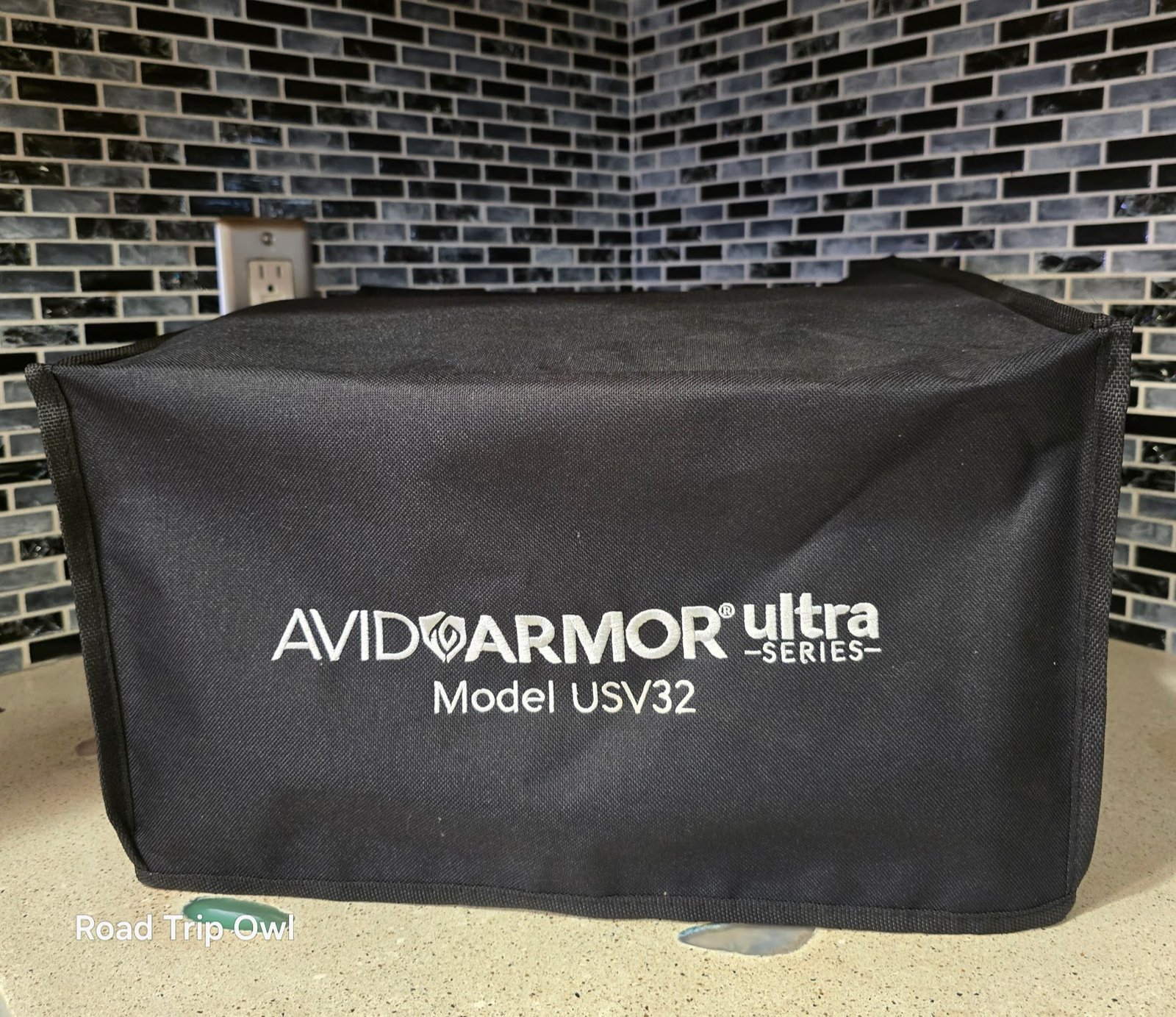
The Black Counter Cover (Worth It)
Avid Armor sells a black cover that fits over the sealer when you’re not using it. Not strictly necessary — but if you’re going to keep the sealer on your counter (and you will, if you actually use it), the cover hides the working parts and makes the whole thing look like a clean piece of countertop equipment instead of a science fair project. Mine has one. I’m glad I bought it.
What to Look For If You’re Shopping Around
If you’re comparing chamber sealers — mine OR another brand — these are the questions that matter:
- Chamber size: Will the food you actually seal FIT inside?
- Sealing wires: A double-wire sealing bar gives you a more reliable seal than a single wire. The USV32 has two.
- Pump type: Dry pumps need less maintenance. Oil pumps tend to run quieter and last longer but need periodic oil changes. Both work — pick the maintenance level you can live with.
- Lid visibility: A glass lid lets you see your food during the cycle. Solid lids are fine but make positioning harder.
- Build quality: Stainless body and a real lid hinge will outlast plastic
- Bag flexibility: Confirm the model works with multiple bag brands, not just the manufacturer’s
If you’re shopping the USV32 specifically, it checks all of these.
Where to Get the Best Sealer
Chamber Vacuum Sealer FAQ
Are Chamber Vacuum Sealers Worth It for Home Use?
Yes — if you actually use one. The chamber sealer pays for itself when you’re sealing weekly or more: meal prep, garden harvests, road trip snacks, freezer meals, anything with moisture or marinade. If you seal a bag of coffee once a month, a regular sealer is fine. (Full money math above.)
Can You Use FoodSaver Bags in a Chamber Vacuum Sealer?
Yes. FoodSaver bags work in a chamber vacuum sealer without any issue. Chamber sealers can use textured bags (like FoodSaver), smooth bags, or any generic chamber-compatible bag. There’s no proprietary lock-in.
How Long Does Food Last in a Chamber Vacuum Sealed Bag?
Significantly longer than in regular storage. My sliced apples stayed white for 5+ days with no additives. Raw meat lasts months in the freezer without freezer burn. Cooked meals frozen in chamber-sealed bags easily go 6+ months without losing quality. The rule of thumb is 2–3 times longer than unsealed storage.
Can a Chamber Vacuum Sealer Seal Liquids?
Yes — this is one of its biggest advantages over regular vacuum sealers. Because the pressure equalizes inside the chamber, liquids stay in the bag instead of getting sucked into the machine. You can seal soup, broth, marinade, brine, sauce, or anything that pours.
Are Chamber Vacuum Sealer Bags Expensive?
Actually, often less expensive than FoodSaver-style textured bags. Chamber sealers can use smooth bags (the cheapest option) OR textured bags. Over time, the bag savings add up.
How Long Does a Chamber Vacuum Sealer Last?
A well-built chamber vacuum sealer should last many years — these are commercial-grade machines designed for restaurant use. Mine (the Avid Armor USV32) has been on my counter for over two years with zero issues. The internal motor and seal bar are the parts that eventually wear, but most quality chamber sealers can be repaired rather than replaced.
Is There a Learning Curve?
Almost none. Load your bag into the chamber, close the lid, push the button, wait for the cycle to finish. The biggest “skill” is learning how much liquid your bags can handle (you’ll figure it out in the first session).
The Verdict
If you came here looking for the best vacuum sealer, here’s where I land after two years of using one every single week:
A chamber vacuum sealer is what a vacuum sealer is supposed to be. Reliable. Tough. Works with any food, any moisture level, any bag brand. Sealed bags that survive being thrown across a room — and seals that hold for months in the freezer without quietly failing on you.
The Avid Armor USV32 specifically has earned every inch of counter space it takes up. After three failed regular sealers and years of wasted bags and wasted garden food, I’d buy it again tomorrow.
Should YOU buy one? Only if you’ll actually use it. If you seal occasionally — a bag of coffee, the rare hunk of cheese — a regular sealer is fine. But if you garden, meal prep, road trip with snacks, freezer-cook for the week, or seal anything wet, marinated, or worth saving — yes. The math closes faster than you’d think, and the silent-seal-failure stress goes away.
That’s the whole article. Thanks for sticking with me.
Where to Next
If this was useful, you might like these too:
- Road Trip Snacks: What I Actually Pack All the food I prep in this sealer for road trips, kid lunches, and grab-and-go snacks
- Our Road Trip Cooler Setup Spoiler: we went CHEAPER on the cooler. The chamber sealer earned its premium price tag; the trendy expensive coolers don’t. We pick what works, not what costs more.
- The Florida Vacation You Can’t Mess Up: A Step-by-Step Guide for First-Time Trip Planners Same approach as this article, applied to a Florida trip — every step laid out so first-time planners can’t mess it up. (Spoiler: it’s easier than you think.)