

Best Hiking Boots for Women: Real Picks for Wet Trails, Waterfalls, and Everything In Between
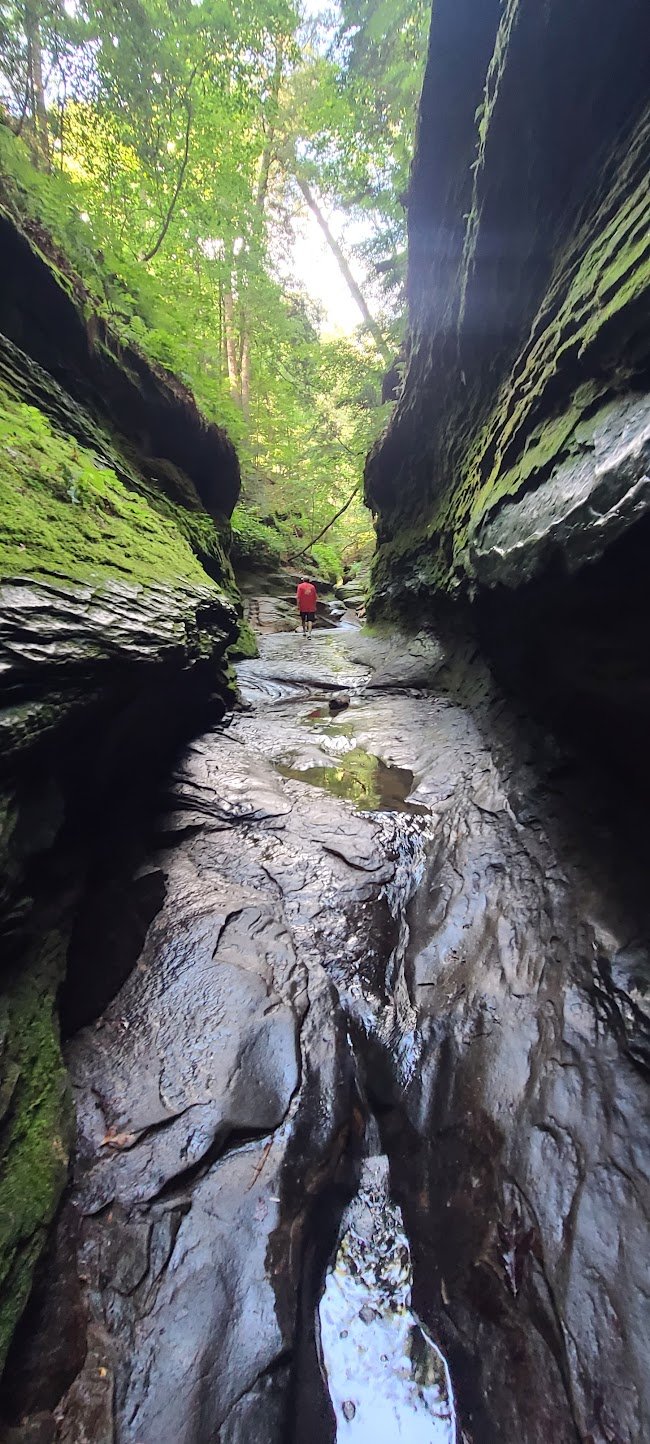
Let’s be honest about something most hiking boot articles skip right past — it’s not just about rain. Yes, waterproof matters when the sky opens up. But it also matters when you’re crossing a stream to get to a waterfall. When you’re scrambling over moss-covered rocks on a trail in the Smokies. When you’re hiking through wet morning grass in the Upper Peninsula. When the trail looks totally dry but the rocks near the water are absolutely not.
Wet rocks are slippery in a way that can stop your whole hike cold — or worse, end it with a twisted ankle. Good traction isn’t just about comfort. It’s about staying upright when the terrain decides it’s done cooperating.
And then there’s comfort — because nothing ruins a road trip faster than hobbling back to the car with blisters halfway through the best hike of your life.
These are our picks for the best hiking boots for women — chosen for real trail performance, wet and dry. No fluff, no filler. Just boots worth your money and your miles.
What to Actually Look For in a Hiking Boot
Before we get into specific picks, here’s what actually matters when you’re choosing a hiking boot:
- Waterproofing: Gore-Tex is the gold standard. It keeps water out without making your feet feel like they’re in plastic bags. Look for Gore-Tex lining on any boot you plan to wear near water, in rain, or on early morning trails.
- Traction: The outsole is everything on wet terrain. Deep, multi-directional lugs grip rock, mud, wet leaves, and stream crossings. This is non-negotiable if you’re hiking anywhere near water.
- Ankle support: Mid-cut boots give your ankle real protection on uneven terrain. Low-cut shoes are fine for easy flat trails — but the moment the trail gets rocky or the terrain gets unpredictable, you want that ankle wrapped.
- Fit and comfort: A boot that fits well from day one is a boot you can trust. Some boots need a serious break-in period. Others feel trail-ready immediately. We’ll note which is which.
- Weight: Lighter boots mean less fatigue on long days. But lighter usually means less protection. Find the balance for your hiking style.
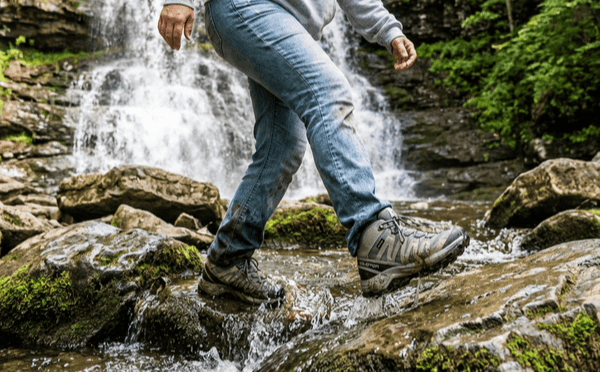
Best Overall Hiking Boot: Salomon Women’s X-Adventure Recon Mid Gore-Tex
Why we love it: This is the boot that does everything well. Waterproof Gore-Tex lining, serious ankle support, aggressive traction on rugged terrain, and stability on everything from packed dirt to loose rock. It’s built for hikers who go places — not just paved paths with a scenic overlook at the end.
The mid-cut design wraps your ankle without feeling stiff or restrictive. The Contagrip outsole handles wet and dry terrain with equal confidence. And the fit is true to size with minimal break-in needed — you can realistically wear these out of the box on a real trail without paying for it the next day.
Best for: All-around hiking, mixed terrain, anyone who wants one boot that handles everything
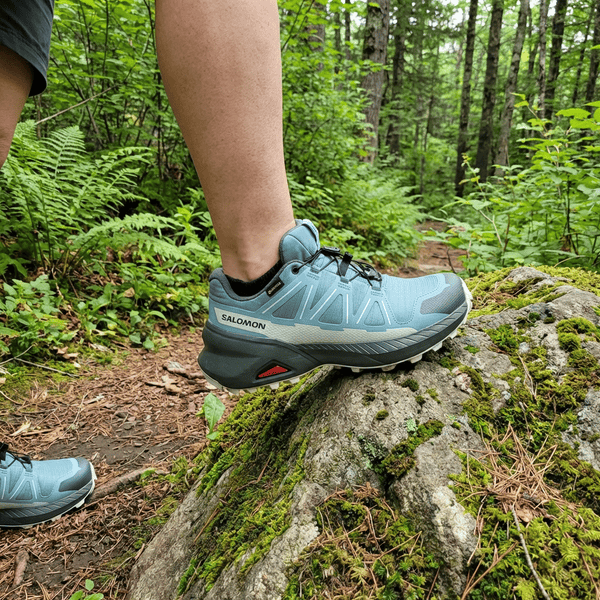
Best Hiking Shoe for Wet Trails and Waterfall Hikes: Salomon Women’s Speedcross Peak Gore-Tex
Why we love it: If your hike ends at a waterfall, starts with a stream crossing, or takes you anywhere near wet rocks — this is your boot. The Speedcross Peak is a trail running shoe built for serious all-terrain performance, and the Gore-Tex lining keeps your feet dry even when the trail is actively trying to soak them.
The traction on this boot is exceptional — deep chevron lugs that grip wet rock, mud, and loose terrain the way most boots can only dream of. We’ve worn these personally and the break-in period is basically nonexistent. Lace them up and go. Your feet will thank you at mile five.
If you’re planning a hike to Tahquamenon Falls, the Smokies, any waterfall trail in the Pacific Northwest, or honestly any trail where water is part of the experience — this is the boot you want on your feet.
Best for: Waterfall hikes, wet trails, stream crossings, mud, technical terrain
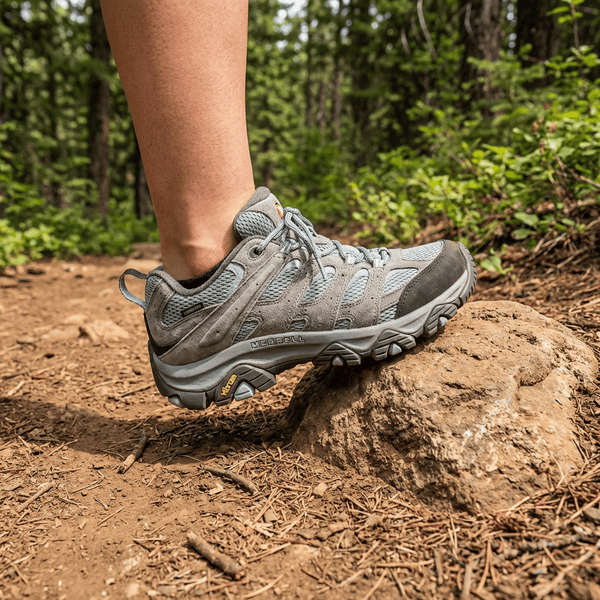
Best Hiking Shoe for Dry Trails: Merrell Women’s Moab 3 Hiking Shoe
Why we love it: The Merrell Moab is one of the most trusted names in hiking footwear and for good reason. It’s comfortable right out of the box, incredibly durable, and built for the kind of steady trail hiking that makes up most road trip adventures — well-maintained paths, national park trails, state park day hikes.
The Moab 3 breathes well, fits true to size, and has enough cushioning for long days without feeling heavy. It’s the boot you grab when you know the trail is going to be dry and you just want something reliable and comfortable from start to finish.
One note: The Moab 3 also comes in a waterproof version if you want Gore-Tex protection without switching brands. Worth considering if you hike in unpredictable weather.
Best for: Dry trails, national park hikes, day hikes, beginners looking for reliable comfort
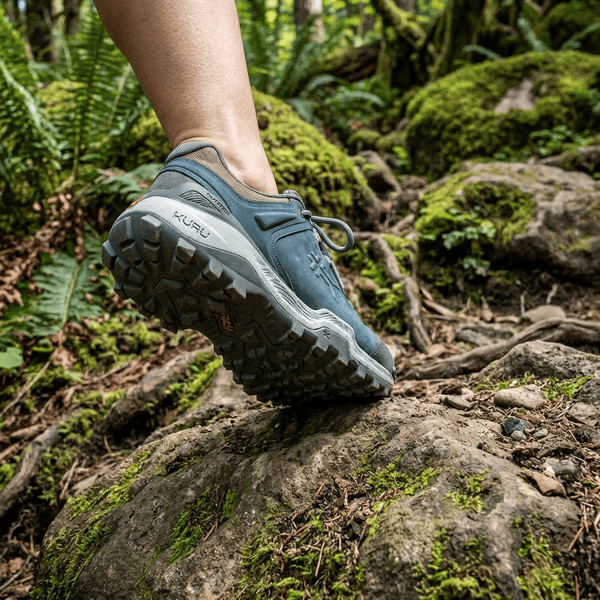
Best Hiking Shoe for Plantar Fasciitis: KURU Women’s RIDGE Motion
Why we love it: KURU built their entire brand around heel pain relief — and the RIDGE Motion is their most rugged hiking shoe yet. The patented KURUSOLE technology dynamically flexes with every step to hug and protect your heel, which is exactly what plantar fasciitis sufferers need on uneven trail terrain.
The dual-density arch support keeps your foot properly aligned, the fatigue-fighting shock absorption takes the punishment out of rocky descents, and the aggressive multi-directional lugs keep you stable on tricky terrain. Real customers report plantar fasciitis relief after consistent wear — and it’s HSA/FSA eligible so you may be able to use pre-tax dollars to buy them!
Best for: Plantar fasciitis, heel pain, anyone who needs serious cushioning and support on rugged trails
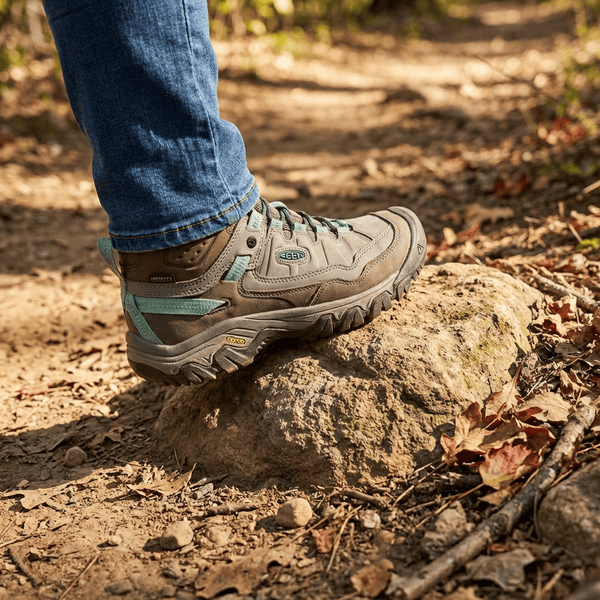
Best Hiking Boot for Wide Feet: KEEN Women’s Targhee IV Mid Waterproof
Why we love it: KEEN builds boots with a wider toe box than most brands and the Targhee IV is the best example of that. There’s actual room for your toes to spread naturally which reduces fatigue, prevents blisters, and makes long hiking days a lot more comfortable for anyone with a wider foot.
The mid-foot fit is roomy without being sloppy — and the heel cup keeps everything locked in place so you get the stability you need without sacrificing the comfort of extra toe room. The KEEN.DRY waterproof membrane handles wet conditions well, and the multi-directional lugs provide solid traction on varied terrain.
Best for: Wide feet, anyone who finds most hiking boots too narrow, day hikes to longer treks
Don’t Forget These — The Kit Isn’t Complete Without Them
Great boots are only part of the equation. Two things that most hikers skip and then immediately regret:
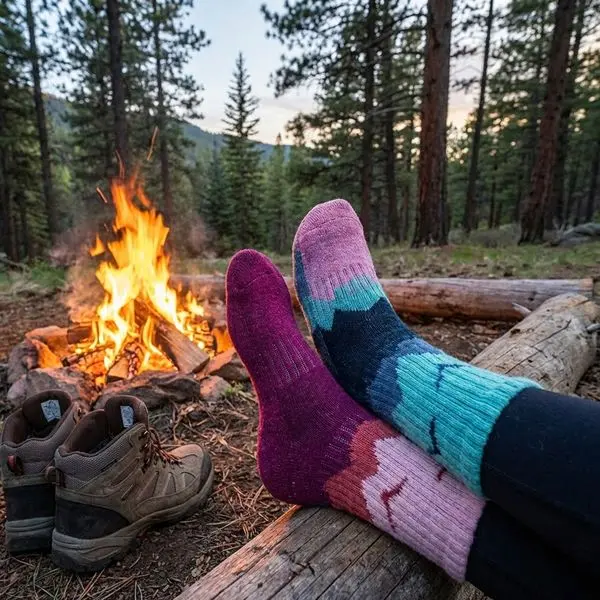
Merino Wool Hiking Socks
Cotton socks on a hike are a blister waiting to happen. Merino wool is the hiking sock material for a reason — it wicks moisture away from your skin, regulates temperature so your feet don’t overheat, and stays comfortable even when things get damp. These socks are cushioned where it counts, crew height to protect your ankle from boot rub, and come in a five pack so you have a fresh pair every day of the road trip. The fact that merino wool naturally resists odor is a bonus we’ll just leave right there. 😄
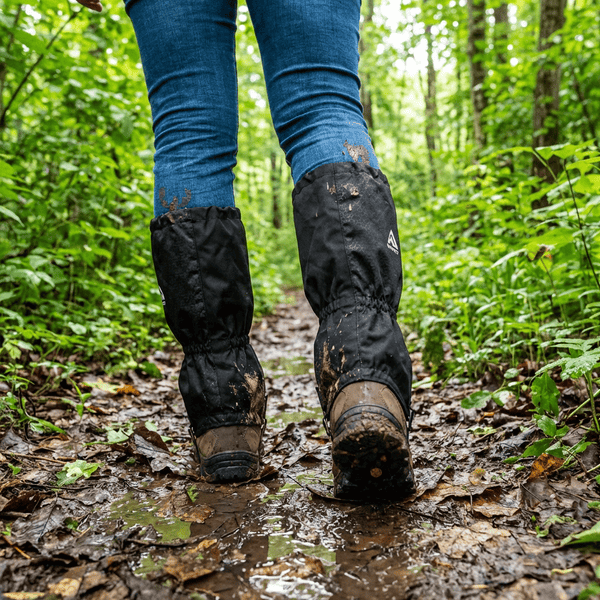
Pike Trail Adjustable Leg Gaiters
Most people don’t know gaiters exist until they’re standing at a trailhead watching water, mud, and debris pour into their boots from the top. Gaiters wrap around your lower leg and boot to seal that gap completely — keeping rocks, mud, water, snow, and trail debris exactly where it belongs. Outside your boot.
These are lightweight, waterproof, and adjustable for a snug fit over any boot. They’re especially worth having for waterfall hikes, muddy trails after rain, and any hike where the terrain is actively trying to get into your shoes. Once you hike with gaiters you’ll wonder why you ever hiked without them.
A Note on Breaking In Your Boots
Most hiking advice tells you to break in your boots slowly before a big hike — wear them around the house, take short walks, work up gradually. And for most boots that’s genuinely good advice. Stiff leather boots especially need time to soften and mold to your foot.
That said — Salomon boots are a notable exception. We’ve laced up a fresh pair of Salomons and headed straight to the trail without a single blister or hot spot. The fit is dialed from day one in a way that most other brands can’t match. If you’re in a time crunch and need boots before a trip, Salomon is the brand we’d trust to show up ready to go.
For every other brand on this list — give yourself at least a few walks around the neighborhood before you commit them to a full day on trail. Your feet will thank you.
Frequently Asked Questions
Do I really need waterproof hiking boots if the weather looks dry?
Yes — and here’s why. Waterproofing isn’t only about rain. Waterfall spray, stream crossings, morning dew on trail grass, and wet rocks near any body of water will soak a non-waterproof boot just as thoroughly as a rainstorm. If your hike takes you anywhere near water — and most great hikes do — waterproof is worth it every single time.
How important is traction really?
Extremely — especially on wet terrain. Wet rocks near waterfalls and stream crossings are genuinely slippery and a boot with poor traction can turn a beautiful hike into a dangerous one fast. Look for deep multi-directional lugs and a rubber compound designed for wet surfaces. Don’t treat traction as an afterthought.
Low-cut shoe vs mid-cut boot — which should I choose?
Low-cut hiking shoes are great for easy, flat, well-maintained trails. Mid-cut boots are the better choice for anything rocky, uneven, off-trail, or where ankle support matters. When in doubt, go mid-cut — the extra ankle protection has saved more than a few hikes from ending early.
Are hiking boots worth the price?
Your feet carry you through every single mile. A good pair of hiking boots is one of the best investments you’ll make as a road tripper — they protect your feet, keep you safe on technical terrain, and last for years of adventures. This is not the place to cut corners. Get boots that fit well, perform in wet conditions, and have traction you can trust. You’ll wear them on every hike for years to come.
The Bottom Line
The best hiking boot is the one that keeps your feet dry, keeps you upright on sketchy terrain, and feels good enough to wear all day without thinking about it. Every boot on this list does those things — just in slightly different ways for slightly different feet and hiking styles.
If you’re not sure where to start, start with Salomon. If you have wide feet, start with KEEN. If plantar fasciitis is part of your life, start with HOKA. Then grab a good pair of merino wool socks and a set of gaiters — and go find something worth hiking to.